
The City That Runs Along the Highway
Malibu is technically a city — incorporated in 1991 after residents spent decades fighting to stay unincorporated — but it does not feel like one. There is no downtown, no city center, no grid. There is Pacific Coast Highway, running for 27 miles along the coast between Malibu Creek and the Ventura County line, and then there is everything else arranged around it: beach communities to the south, canyon roads climbing into the Santa Monica Mountains to the north, and a scatter of restaurants, surf shops, and farm stands in between.
The city has about 13,000 permanent residents, which makes it one of the least-dense cities in Los Angeles County by population-to-acreage ratio. The permanent residents are a mix of multi-generational beach families, entertainment industry people who bought in the 1980s and 1990s, and newer arrivals who came for the schools and the space. What they share is a preference for being far enough from Los Angeles proper to feel different.
The Beaches
Malibu has 68 named public beaches. They are not equal.
Surfrider Beach at the mouth of Malibu Creek is where California surf culture started — a consistent right-hand point break that has been surfed since the 1920s, earned designation as the world's first World Surfing Reserve in 2010, and remains one of the most photographed surf spots on the California coast. The beach sits below Malibu Lagoon State Beach, a 22-acre wetland that serves as a critical stopover for migratory shorebirds.
Zuma Beach at the north end of the city is the wide public beach — 105 acres, county-operated, the largest beach in Los Angeles County, consistently ranked among the best family beaches in California. Lifeguards year-round, amenities, parking. When Angelenos say they are going to "Malibu," they often mean Zuma.

Point Dume State Beach below the Point Dume headland offers tide pools, a sea arch, whale watching from the bluff above (Pacific gray whales December through April), and a protected cove on the east side of the point that is among the least-crowded beaches accessible by foot in Southern California. The 34-acre Point Dume State Preserve on the bluff above has coastal sage scrub, native wildflowers, and views south to the Palos Verdes Peninsula and Catalina Island.

Broad Beach is the residential beach — a private road, a line of celebrity-owned oceanfront estates, some of the most expensive residential real estate per linear foot in California. A few vacation rentals here access directly onto the sand.
Leo Carrillo State Park at the western edge of the city has caves, tide pools, camping, and the rugged coastline character of the Ventura County transition zone.
The Santa Monica Mountains
The hills behind PCH are the Santa Monica Mountains National Recreation Area — the largest urban national park in the United States at 153,075 acres, stretching from Griffith Park in Hollywood to Point Mugu at the western end of Malibu. The recreation area contains Malibu Creek State Park, Topanga State Park, and dozens of trailheads accessible from canyon roads off PCH.
Malibu Creek State Park was used as a filming location for MAS*H, Planet of the Apes, and numerous other productions — the 10-square-mile park has the Creek itself (good swimming holes in summer), volcanic rock formations called Century Lake, and a Rock Pool popular with families. The park is at the intersection of Malibu Canyon Road and Las Virgenes Road.


Solstice Canyon has ruins of a mid-century modern house destroyed in a wildfire (the Roberts Ranch House, 1952, designed by Paul Williams), a working waterfall, and one of the easier hikes in the Santa Monica Mountains. Usually accessible from a PCH trailhead.
Food and the Malibu Culture Scene
Nobu Malibu on PCH is the Malibu restaurant — a glass-and-wood structure on the water, consistently ranked as the best Nobu location globally, celebrity-frequented but genuinely excellent. Reservations book weeks out; the bar and counter seating offer the walk-in path.
Malibu Farm at the Malibu Pier serves California farm-to-table food in a converted pier shack that has become one of the more Instagram-documented restaurants in the United States. The Pier Café below is the casual version with better prices and the same views.
Malibu Country Mart is the outdoor shopping center in the Civic Center area where Malibu residents do their daily lives — Vintage Grocers, restaurants, boutiques, and a farmers market on Saturdays. The Malibu Lumber Yard adjacent has the design and home stores.
The Getty Villa at the east end of Malibu — technically in Pacific Palisades but with a Malibu road address — is one of the great antiquity museums in the country, housing the J. Paul Getty collection of Greek, Roman, and Etruscan artifacts in a recreated 1st-century Roman villa. Free with timed reservations.
Find your base in Malibu, CA — browse stays indexed by CielStay.
Search stays on CielStay →Frequently asked questions
What is Malibu known for?
Malibu is a 27-mile coastal city on Pacific Coast Highway west of Los Angeles, known for Zuma Beach, the Malibu Colony (a private beachfront community established in the 1920s), Point Dume State Beach, and the surfing at First and Second Points. It is also the gateway to the Santa Monica Mountains and the Backbone Trail, which runs 67 miles through the range from Will Rogers State Historic Park to Point Mugu State Park.
How far is Malibu from downtown Los Angeles?
Malibu's eastern border (at Topanga Canyon Boulevard) is about 20 miles from downtown Los Angeles — 45 minutes to 1.5 hours depending on Pacific Coast Highway traffic, which runs heavily congested westbound on Friday afternoons. The Santa Monica Mountains freeways (US-101 to Kanan Road or Las Virgenes) are faster than PCH during peak hours.
Are there private beachfront rentals in Malibu?
The Malibu Colony, Broad Beach, and Carbon Beach (informally called Billionaire's Beach) are the three primary beachfront strips with private vacation rental inventory. Lots are narrow but the sand is exclusive to residents and guests. Private rentals represent the only realistic way to stay on the Malibu beachfront — the city has no beachfront hotels — and rates reflect the scarcity.
When is the best time to visit Malibu?
September and October are ideal: the June Gloom marine layer has lifted, daytime highs are 70–80°F, crowds have thinned post-summer, and Santa Ana wind events occasionally produce the clearest days of the year with exceptional visibility north to the Channel Islands. Spring (March–May) is also good. June and July bring overcast mornings that typically clear by early afternoon.
Stays near this guide
Top-rated independent stays in the region, ranked by CielStay authenticity score.
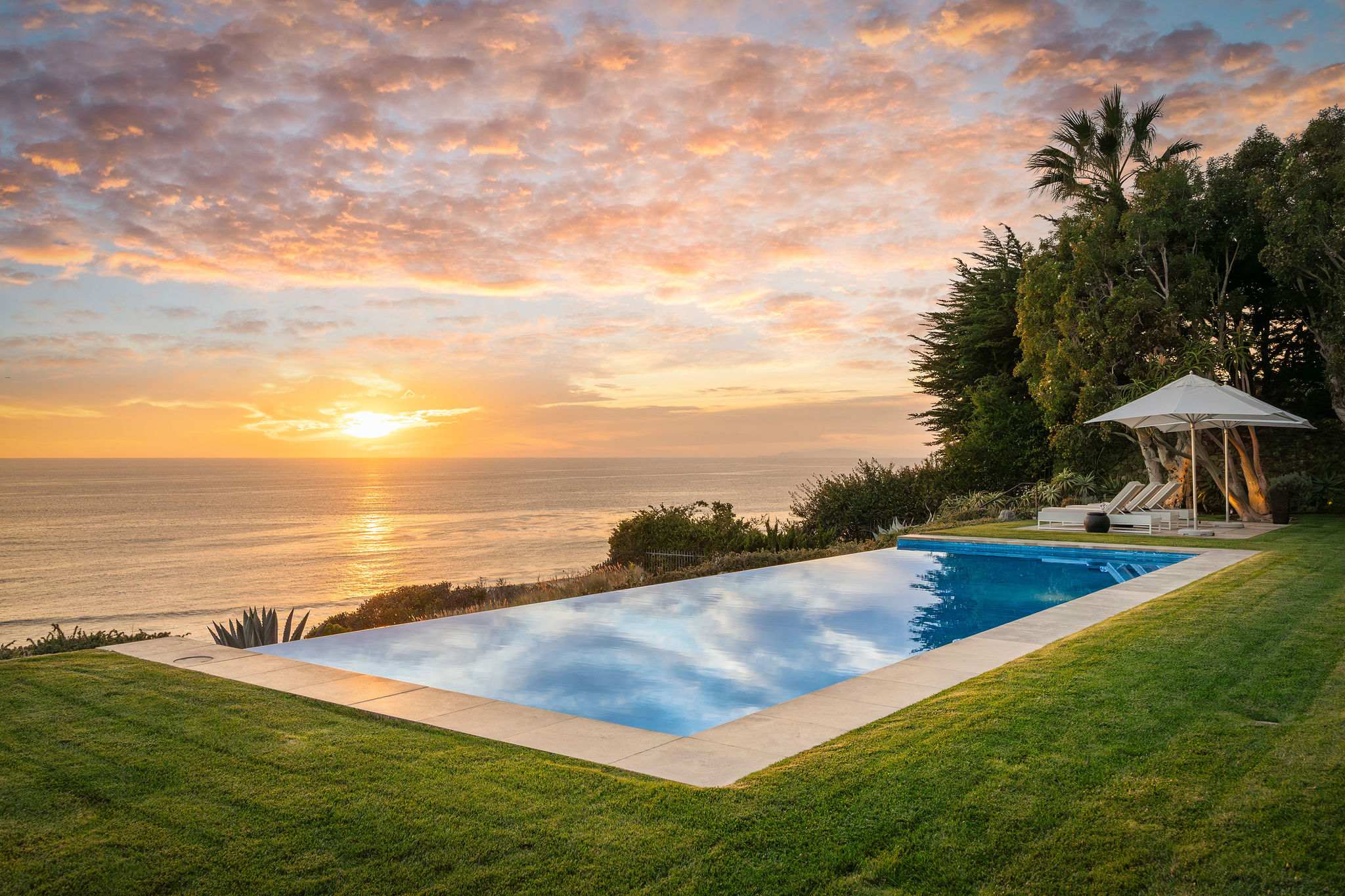
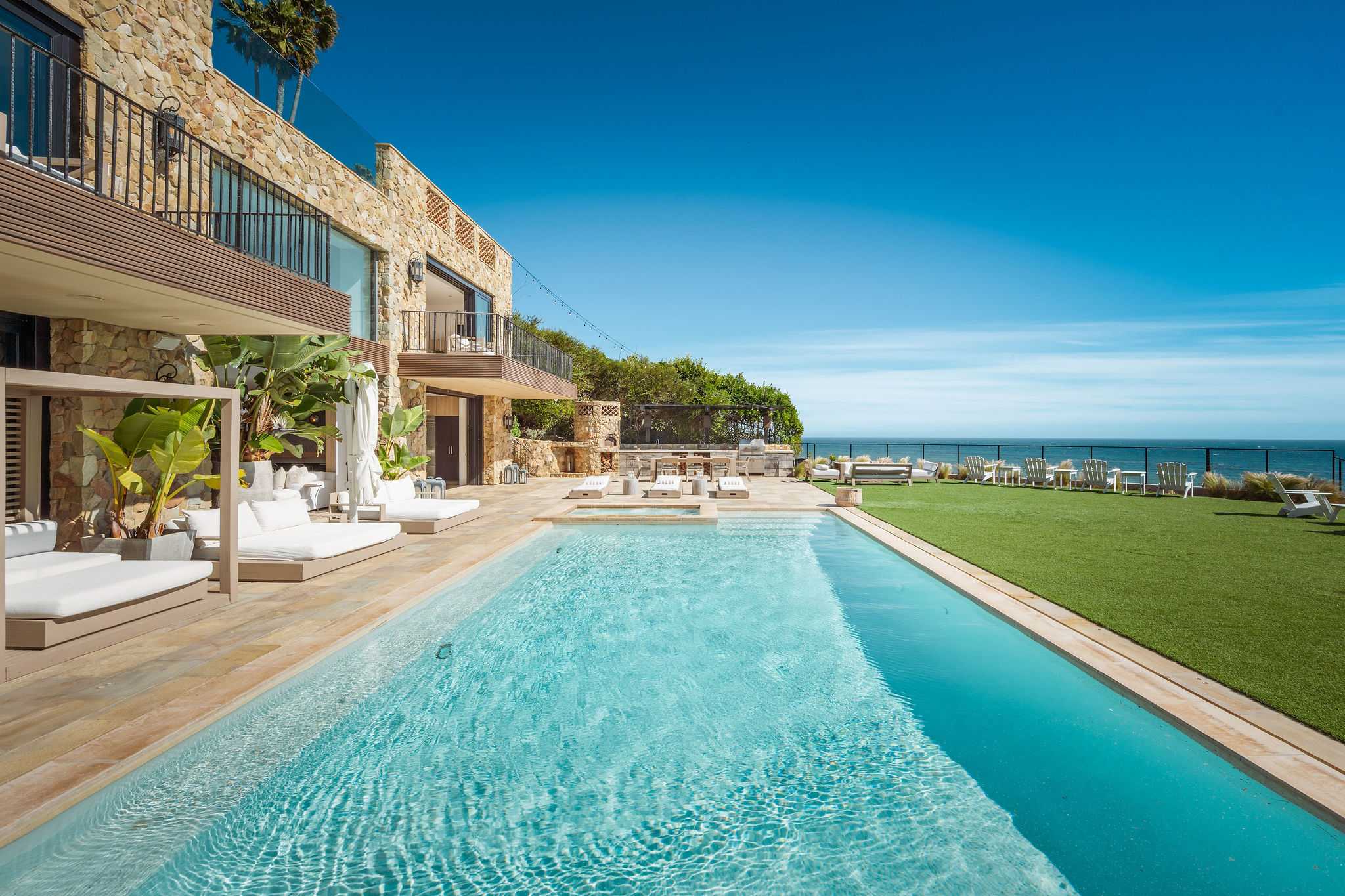
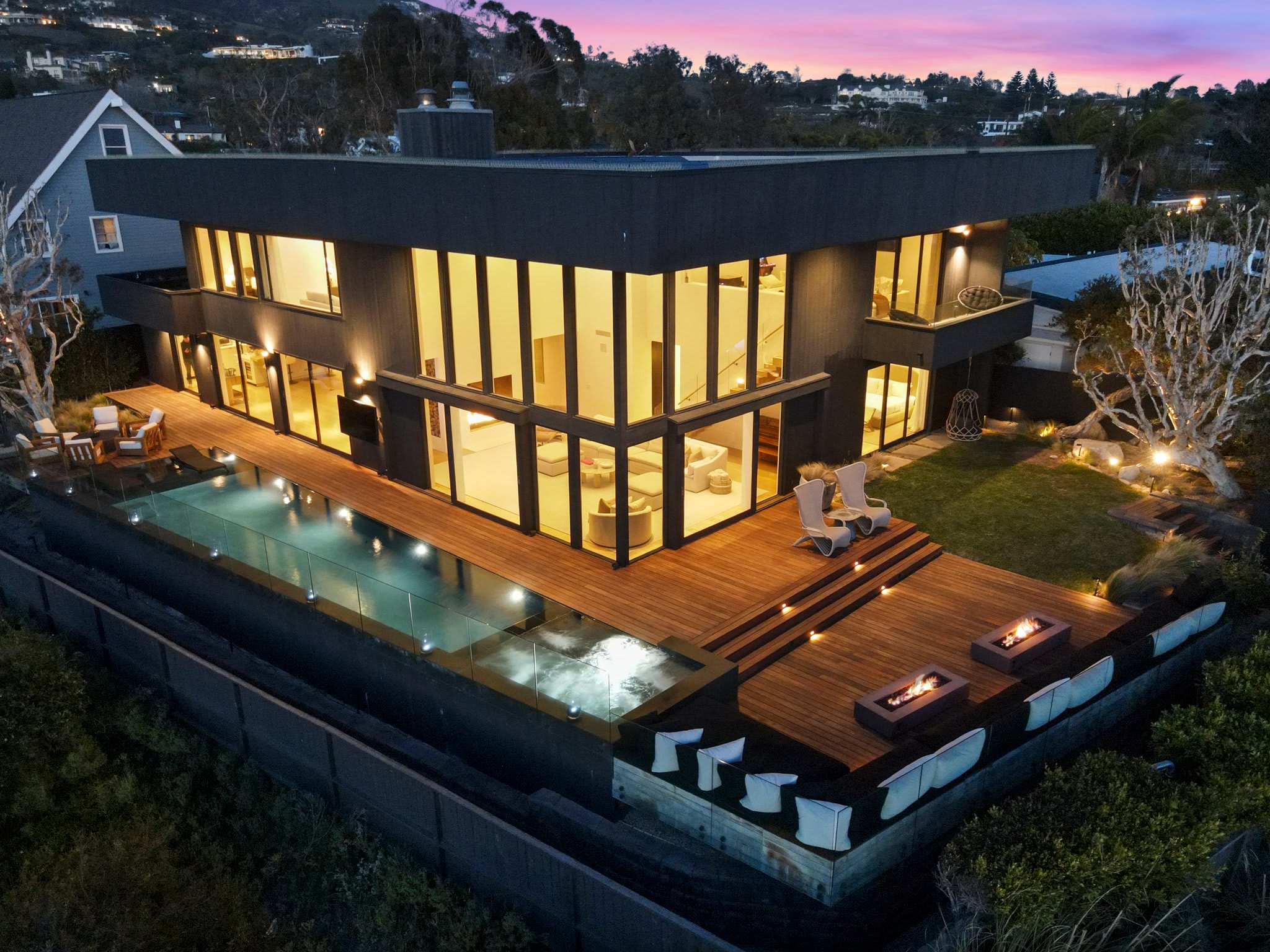
Try a search
Searches inspired by this guide — describe the vibe you want.
More guides
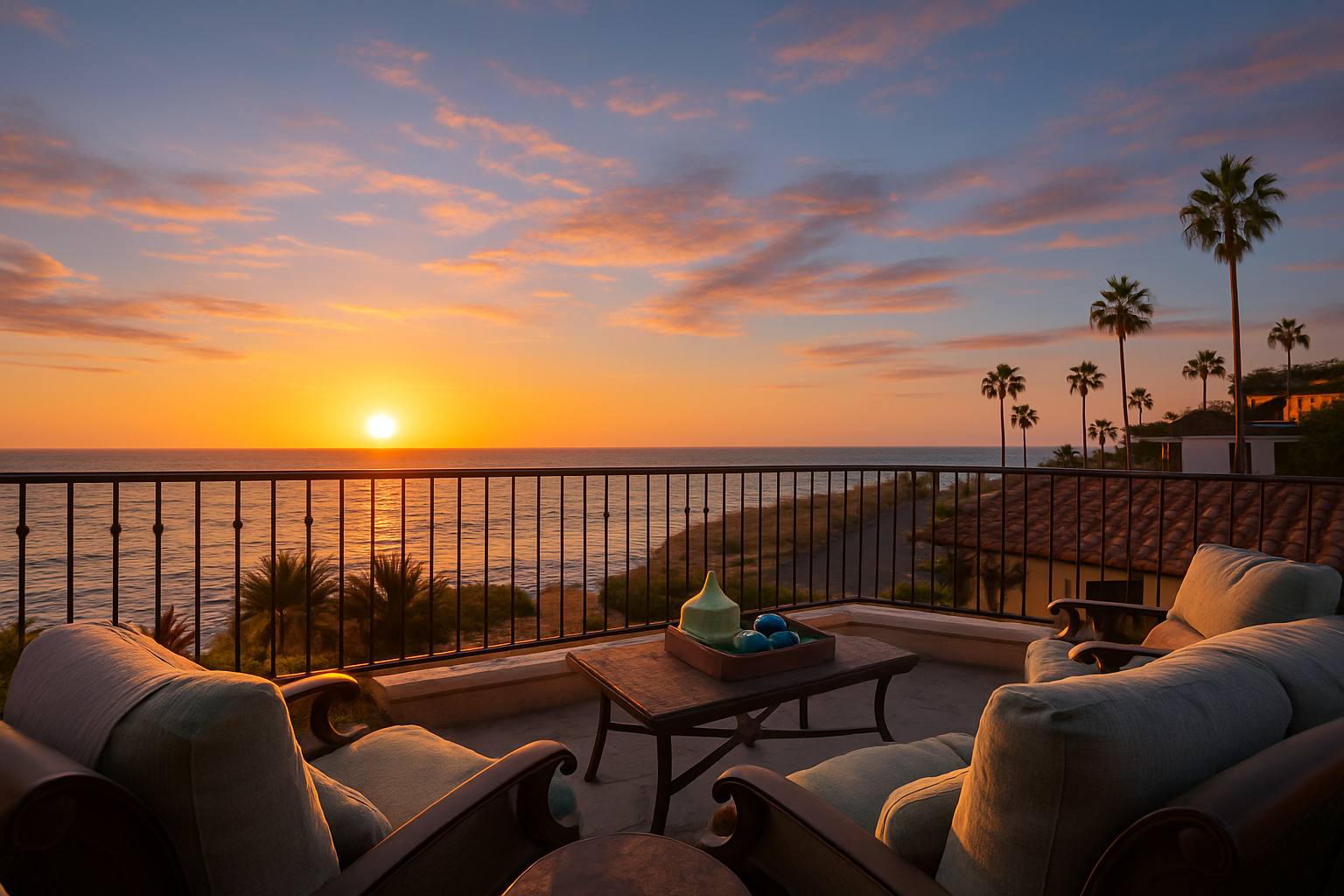
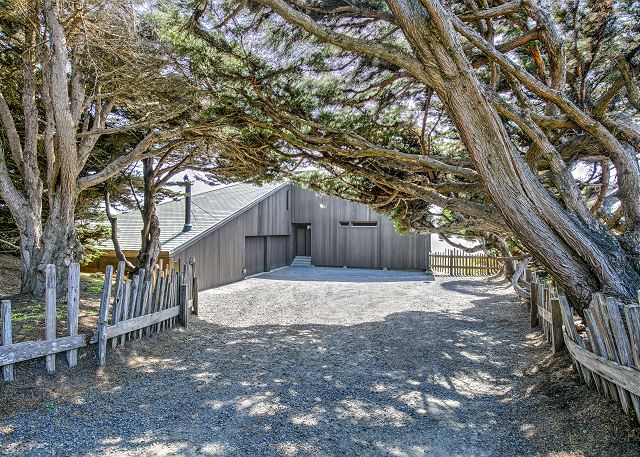
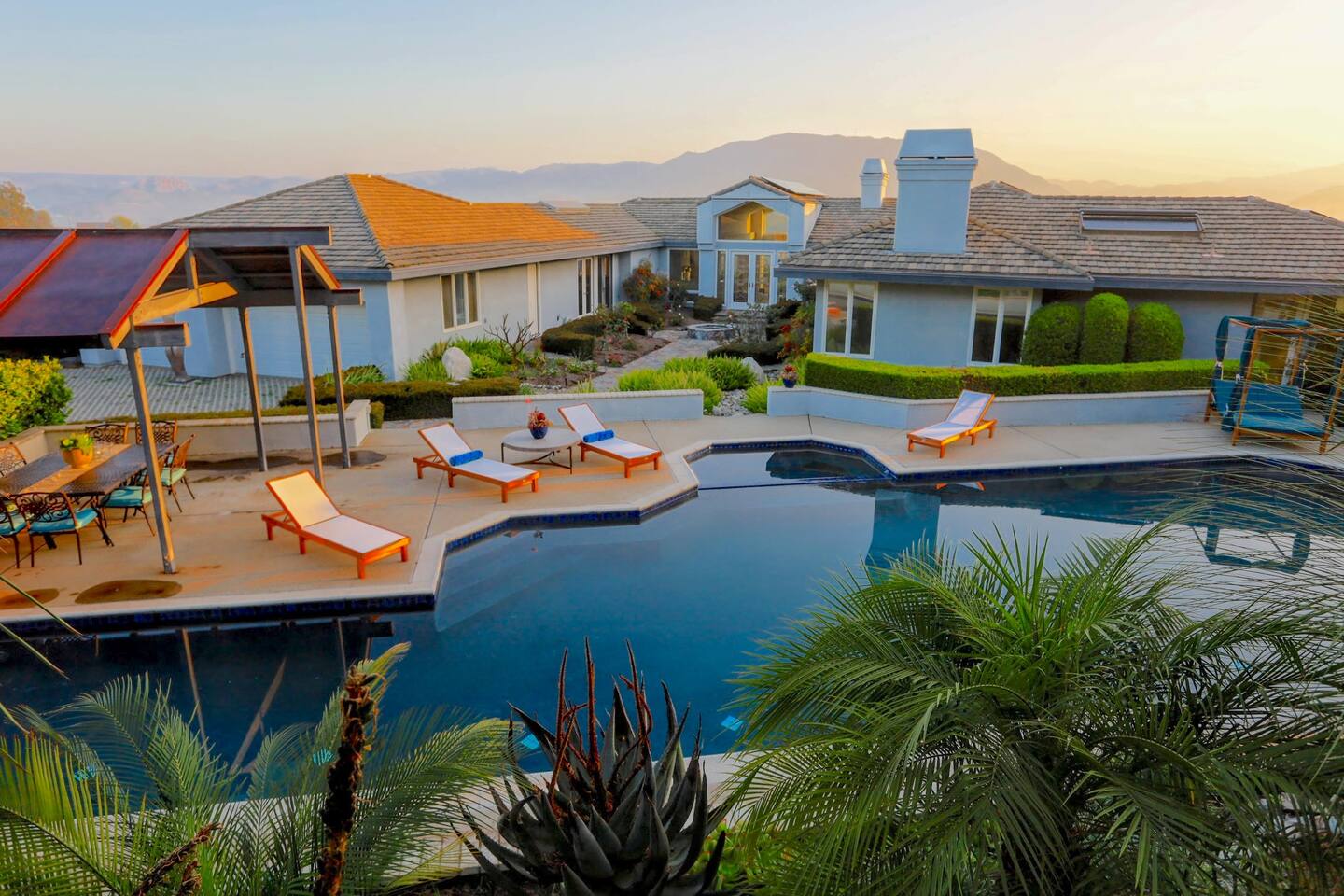
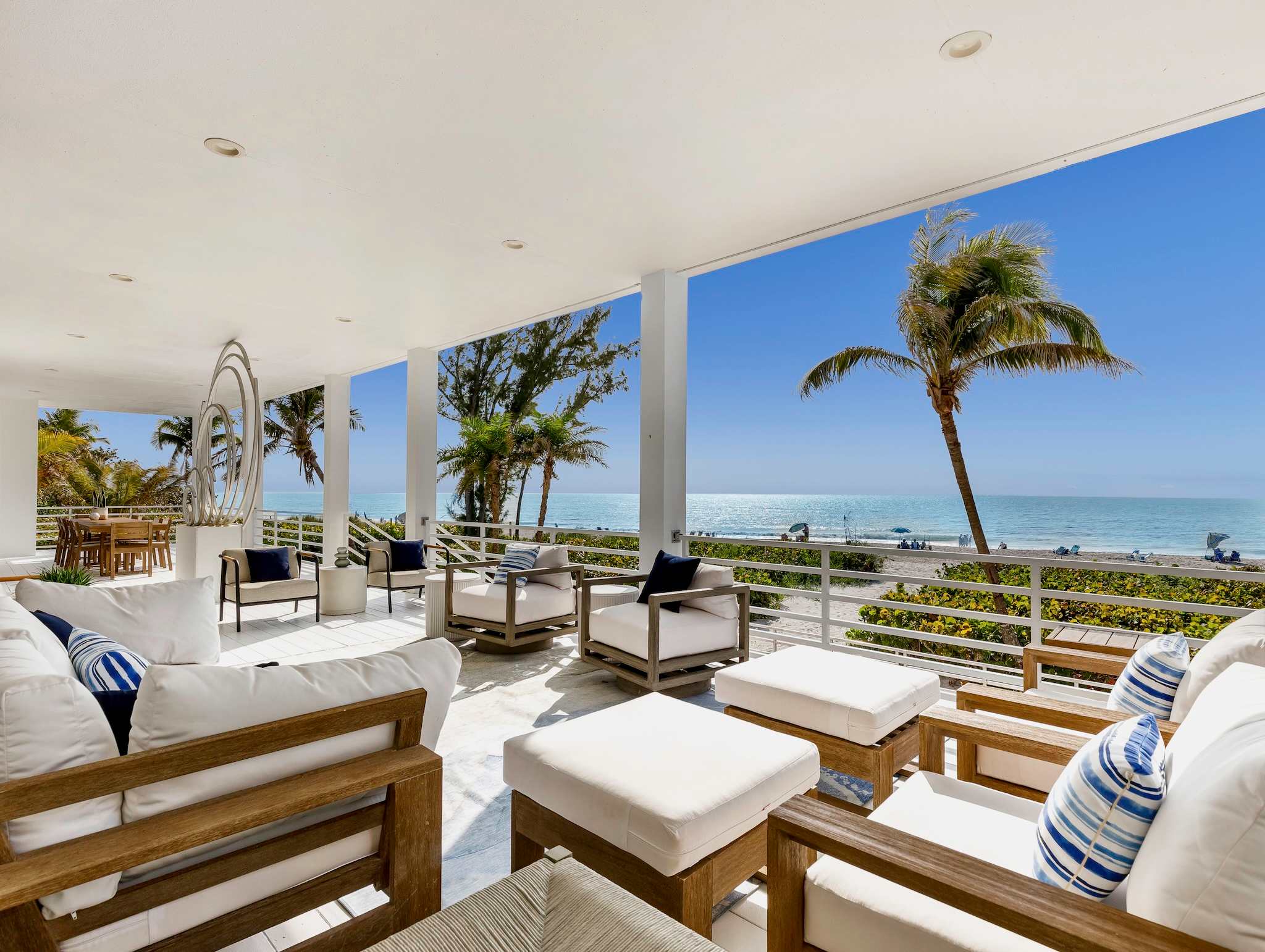
This guide was assembled from the local knowledge of hosts with properties throughout Malibu, CA, as indexed by CielStay. The descriptions of restaurants, trails, swimming holes, and local tips reflect what hosts share with guests in their listings — not the observations of a travel journalist or guest reviewer. Photos are sourced from host listing images and are credited to their respective listings. Information about permits and trail conditions may change; always verify with official sources before your trip.