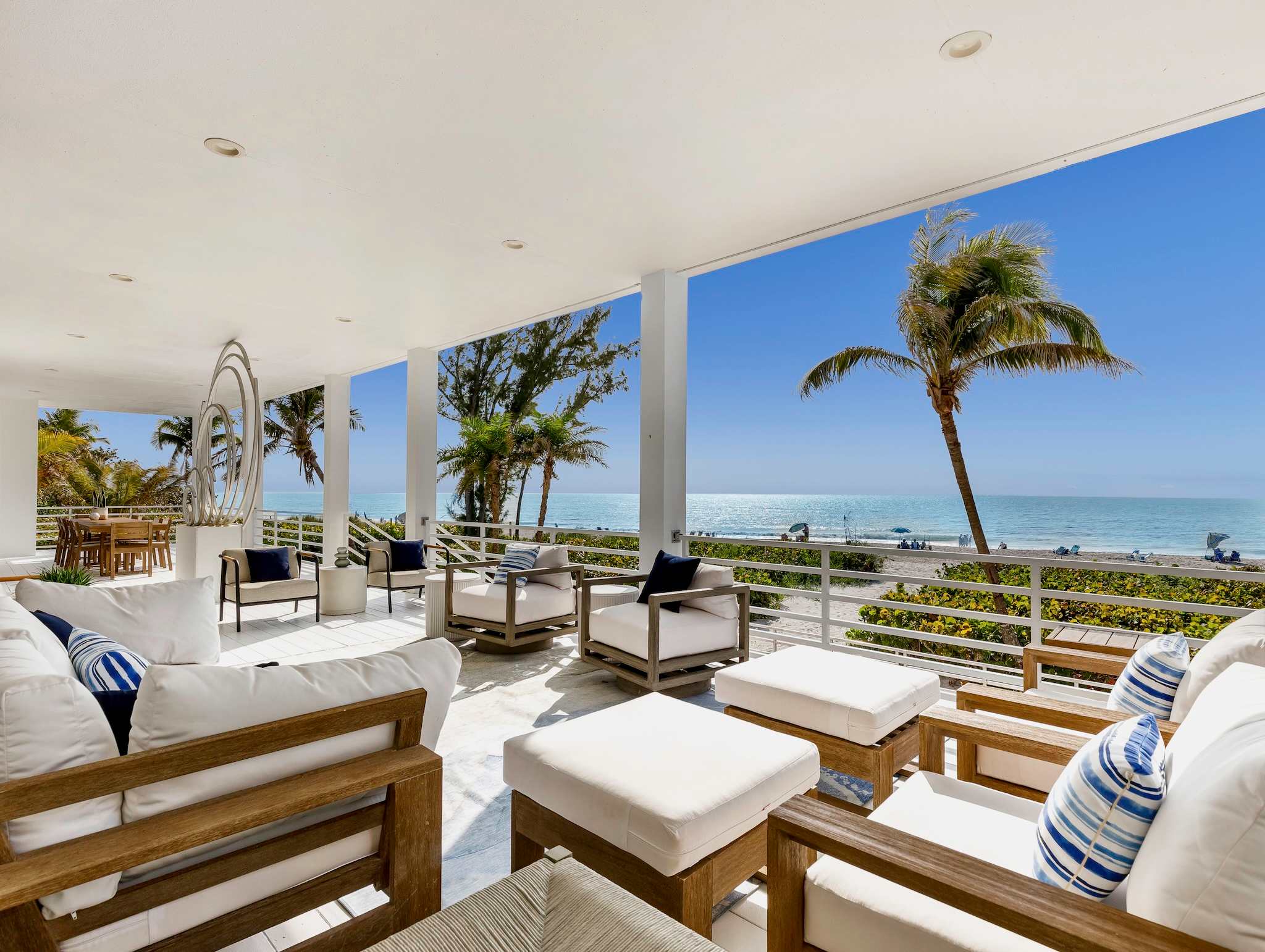
The Island
Captiva is at the end of things. You drive through Fort Myers, cross the Sanibel Causeway ($6 toll), traverse Sanibel Island for 12 miles, cross Blind Pass Bridge onto Captiva, and then you are on a barrier island 1.7 miles across at its widest. The road — Captiva Drive — runs from the Blind Pass bridge to Andy Rosse Lane in the village, and there it ends. There is no way forward.
The island has about 400 permanent residents. The community is built around the rhythms of the tide and the light: when the gulf goes flat at sunset, when the shelling is best after a storm, when the snook are running in the pass. The cultural memory of Captiva includes Anne Morrow Lindbergh, who wrote Gift from the Sea here in 1955, meditating on solitude and shells. It also includes Robert Rauschenberg, who moved here in 1970 and maintained his studio on the island until his death in 2008 — his former beachfront estate, Eden, is now available as a vacation rental.
Shelling

The Sanibel-Captiva complex produces one of the finest shell beaches in the Western Hemisphere. The islands sit at the end of the Florida peninsula at an angle that traps shells as they move north along the Gulf current. Lightning whelks, horse conchs, junonia, lion's paws, alphabet cones — the range of species washed up on the beach is extraordinary by any mainland coastal standard. Low tide after a storm is the optimal time; serious collectors stoop to pick, a posture called the Sanibel Stoop.
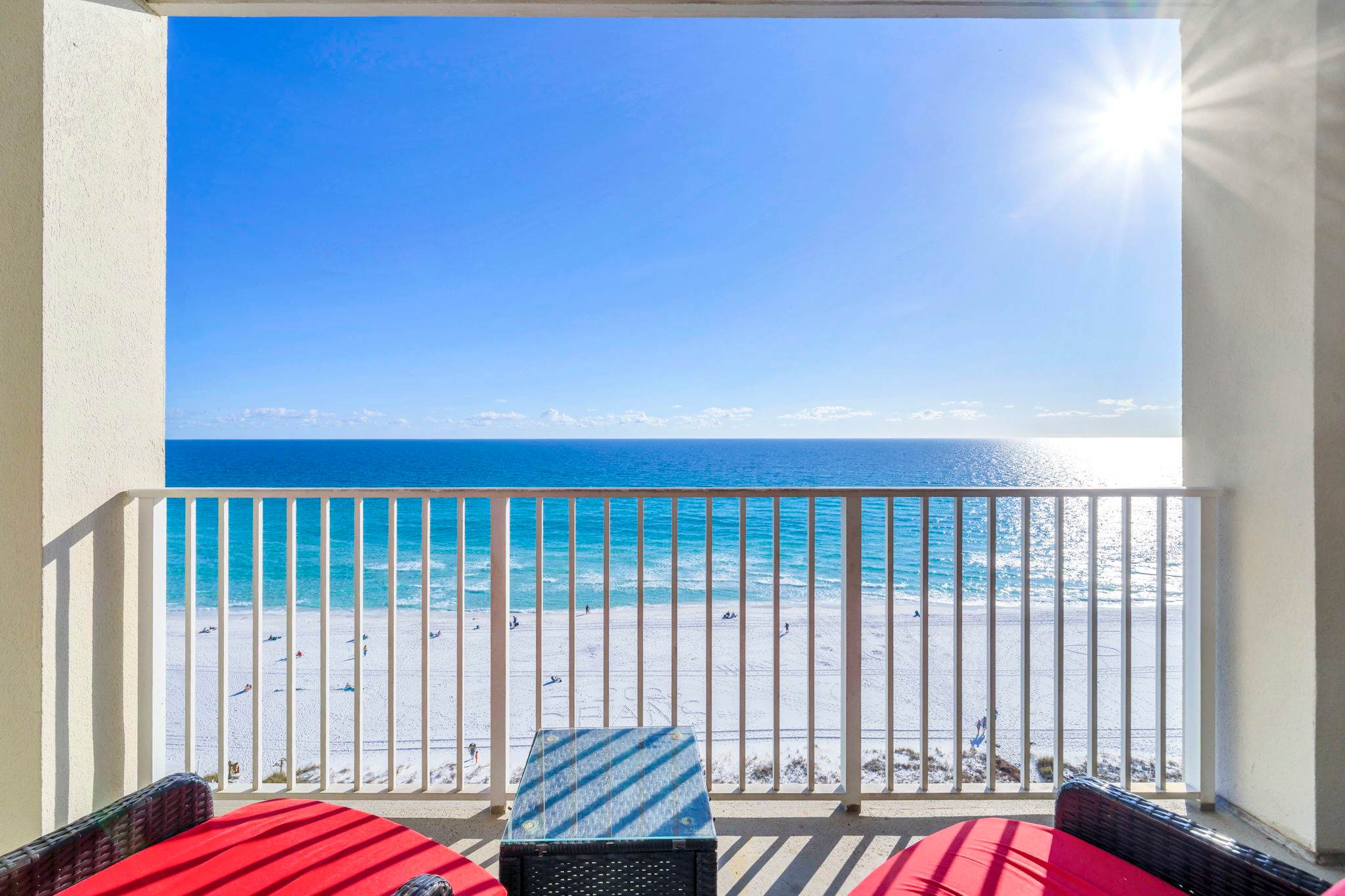
The shelling is better on Sanibel's Bowman's Beach and Lighthouse Beach than on Captiva itself — the crowds thin further north. Captiva's beach is wider and less trafficked than Sanibel's, and the sunsets face west directly over open water.
The Village and Food
Andy Rosse Lane in the village center is Captiva's downtown: a few blocks of restaurants, galleries, and shops with no chains of any kind. The Bubble Room — a 1979 institution in a building filled with vintage movie memorabilia — is famous for absurdly large portions and equally large slabs of cake. RC Otter's Outpost has the waterfront tiki bar atmosphere on Pine Island Sound. Chadwick's at South Seas serves the resort crowd at the north end of the island.
'Tween Waters Island Resort at the narrowest point of the island (between the gulf and the sound, hence the name) has operated since 1931 and has the island's marina, a pool, and the kind of history that comes with nine decades of the same location.
J.N. "Ding" Darling National Wildlife Refuge
On Sanibel, adjacent to the causeway: the J.N. "Ding" Darling National Wildlife Refuge — 6,400 acres of mangrove estuary, the largest undeveloped mangrove ecosystem in the US. The 4-mile Wildlife Drive (open to cars, bicycles, and kayaks) passes through roseate spoonbill and great blue heron rookeries, alligator pools, and bottlenose dolphin in the channels. The refuge is named for political cartoonist Jay Norwood "Ding" Darling, who became a conservation activist after vacationing on Sanibel in the 1930s.
Kayaking through the mangrove tunnels of Captiva's east shore and the back-bay channels of Pine Island Sound is one of the more distinctive water experiences in Florida — the tunnels are tight enough to require a single-bladed paddle technique.
Find your base in Captiva Island, FL — browse stays indexed by CielStay.
Search stays on CielStay →Frequently asked questions
What is Captiva Island known for?
Captiva is one of the premier shelling beaches in the Western Hemisphere — the island's angle at the end of the Florida peninsula traps shells moving north along the Gulf current. The island is also known for its complete absence of chain stores and traffic lights, the former beachfront estate of artist Robert Rauschenberg (now a vacation rental), and the 'Tween Waters Island Resort, which has operated continuously since 1931.
How do you get to Captiva Island, Florida?
Captiva is accessible only by car: drive through Fort Myers, cross the Sanibel Causeway ($6 toll), traverse Sanibel Island for 12 miles, then cross Blind Pass Bridge onto Captiva — about 90 minutes from Fort Myers International Airport (RSW). There is no ferry service from the mainland. Water taxis run between Captiva and nearby Cayo Costa Island and Cabbage Key.
When is the best shelling on Captiva and Sanibel?
Low tide after a northeast wind storm produces the best conditions — weather pushes shells onto the beach in volume. Early morning before 8 AM at low tide gets the best selection. The southwest end of Captiva and North Captiva Island (accessible by water taxi) tend to produce the most variety. Serious collectors adopt the "Sanibel Stoop" — a permanent forward lean from eyes-on-the-sand walking.
What is the J.N. "Ding" Darling National Wildlife Refuge?
The J.N. "Ding" Darling NWR is a 6,400-acre mangrove estuary on Sanibel Island — the largest undeveloped mangrove ecosystem in the US. The 4-mile Wildlife Drive passes roseate spoonbill rookeries, alligator pools, and bottlenose dolphin in the channels. The refuge is named for political cartoonist and conservation activist Jay Norwood "Ding" Darling, who vacationed on Sanibel in the 1930s and became a driving force in coastal conservation.
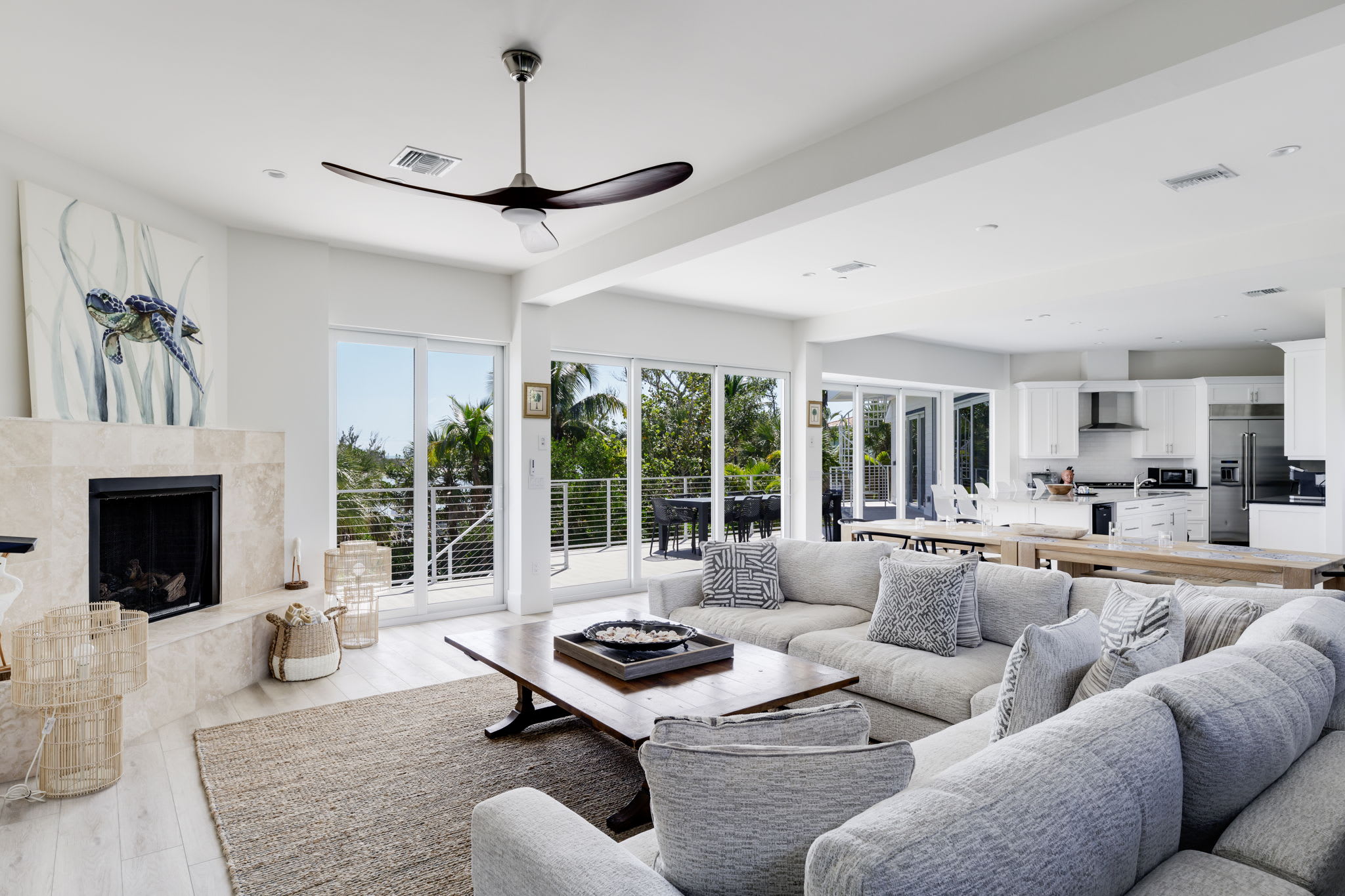
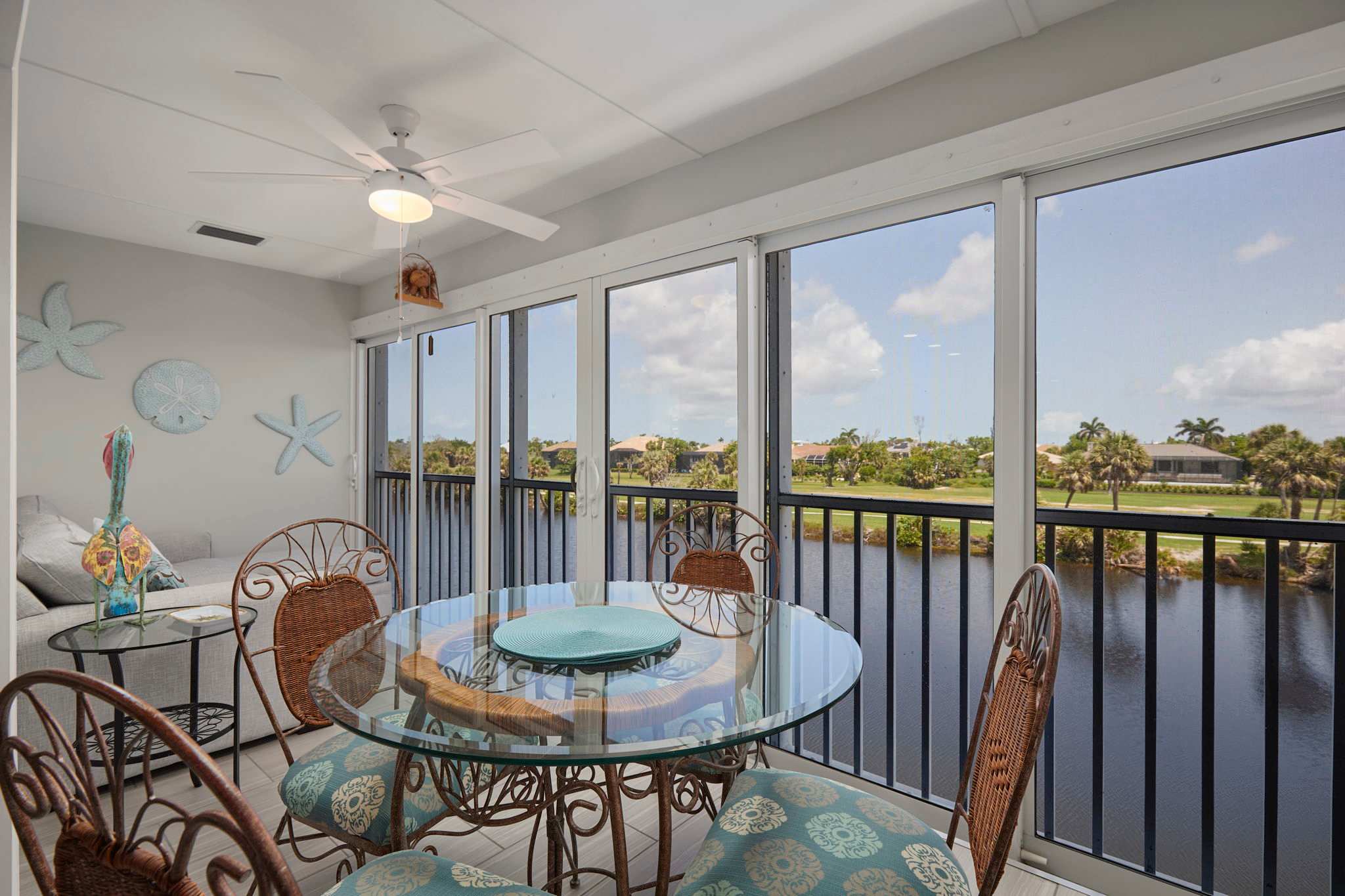
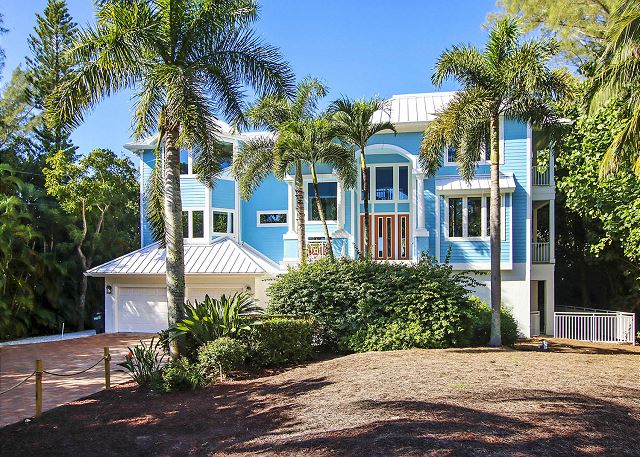
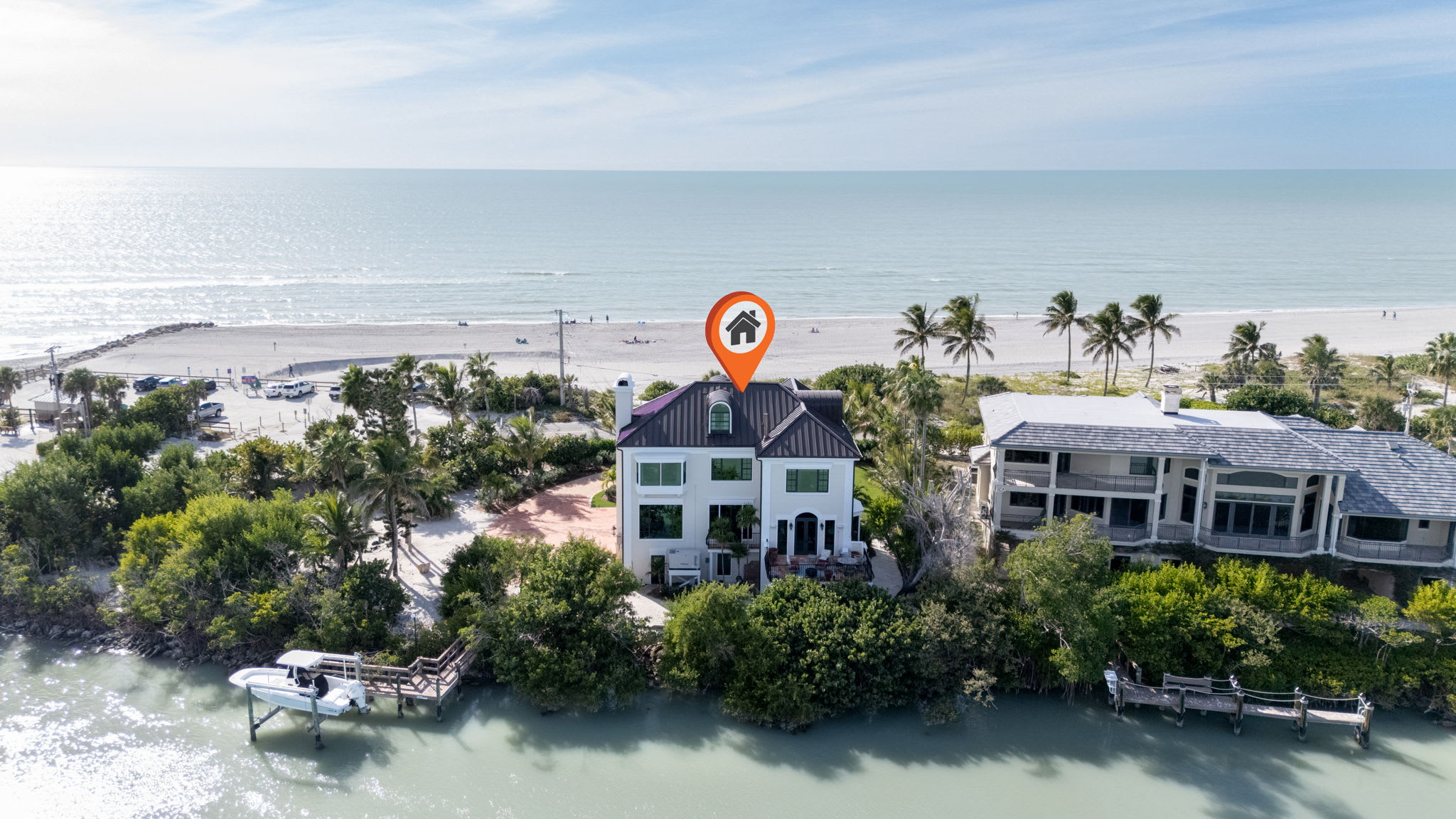
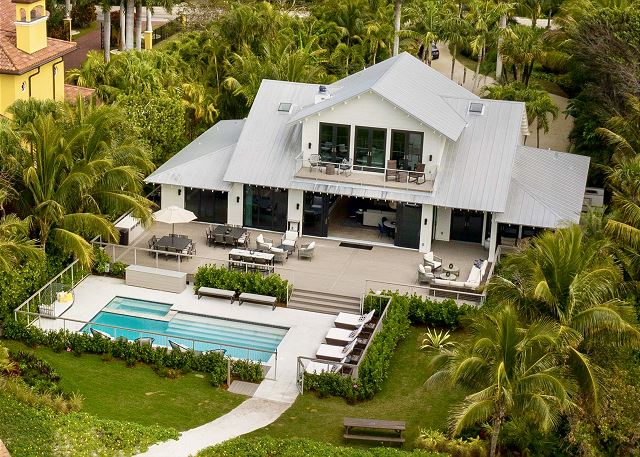
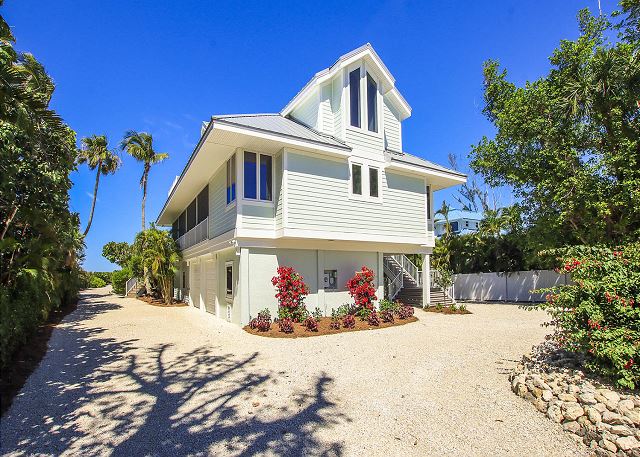
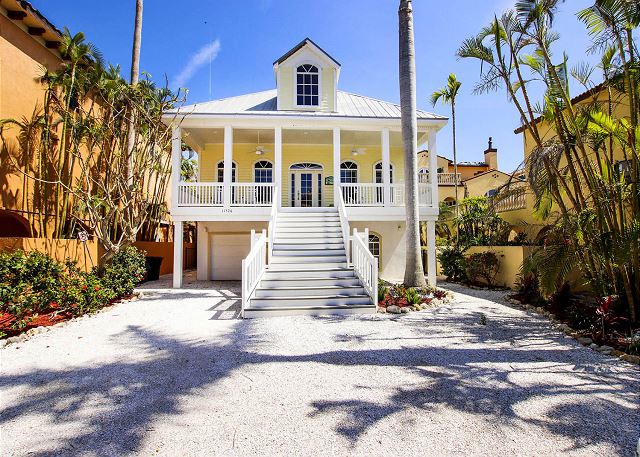
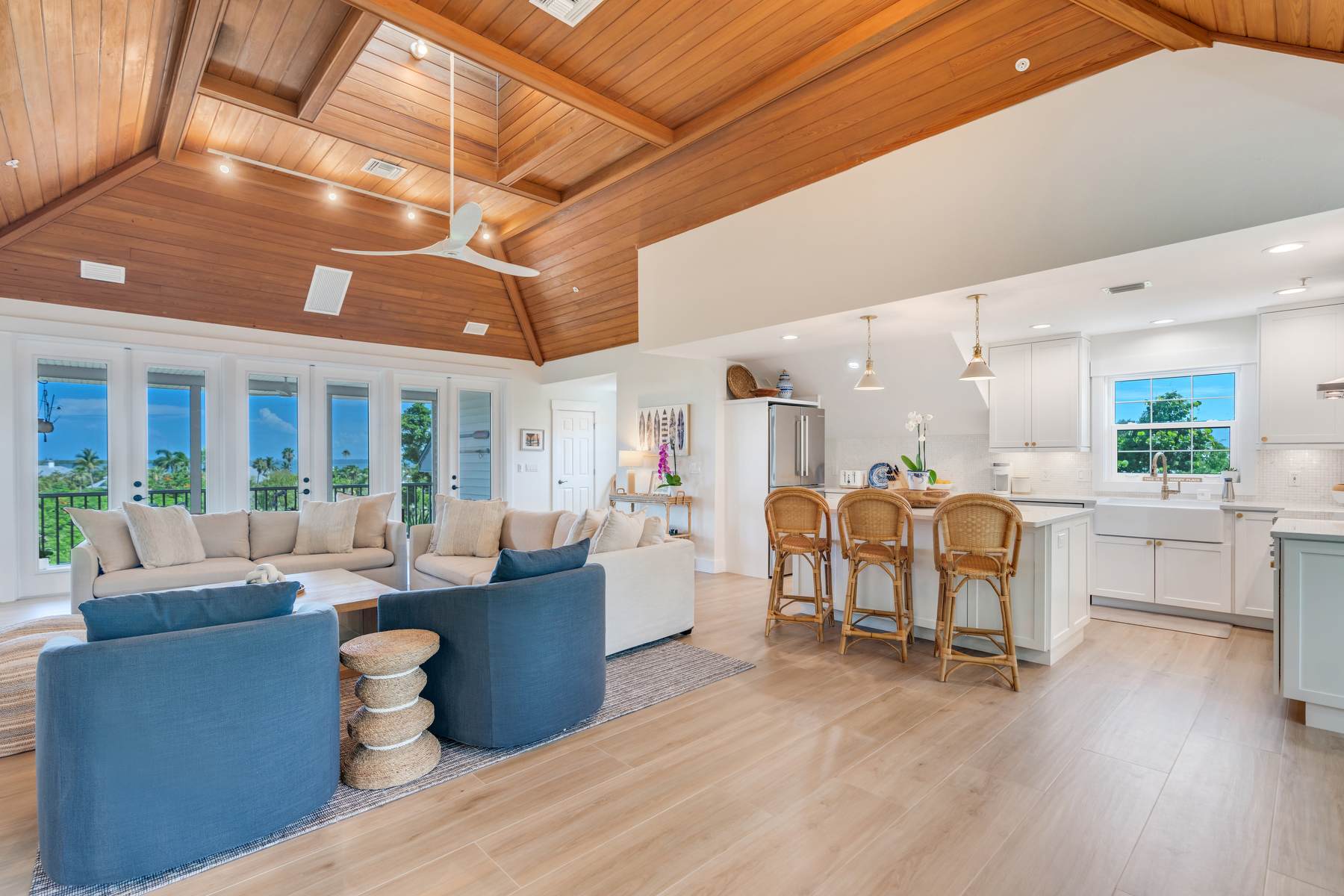
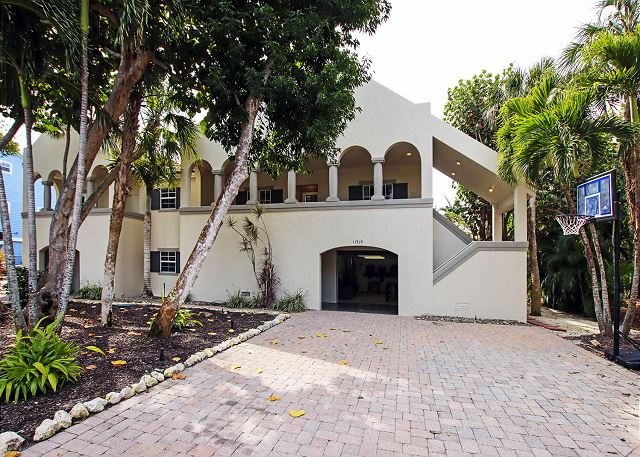
Stays near this guide
Top-rated independent stays in the region, ranked by CielStay authenticity score.
Try a search
Searches inspired by this guide — describe the vibe you want.
More guides


This guide was assembled from the local knowledge of hosts with properties throughout Captiva Island, FL, as indexed by CielStay. The descriptions of restaurants, trails, swimming holes, and local tips reflect what hosts share with guests in their listings — not the observations of a travel journalist or guest reviewer. Photos are sourced from host listing images and are credited to their respective listings. Information about permits and trail conditions may change; always verify with official sources before your trip.