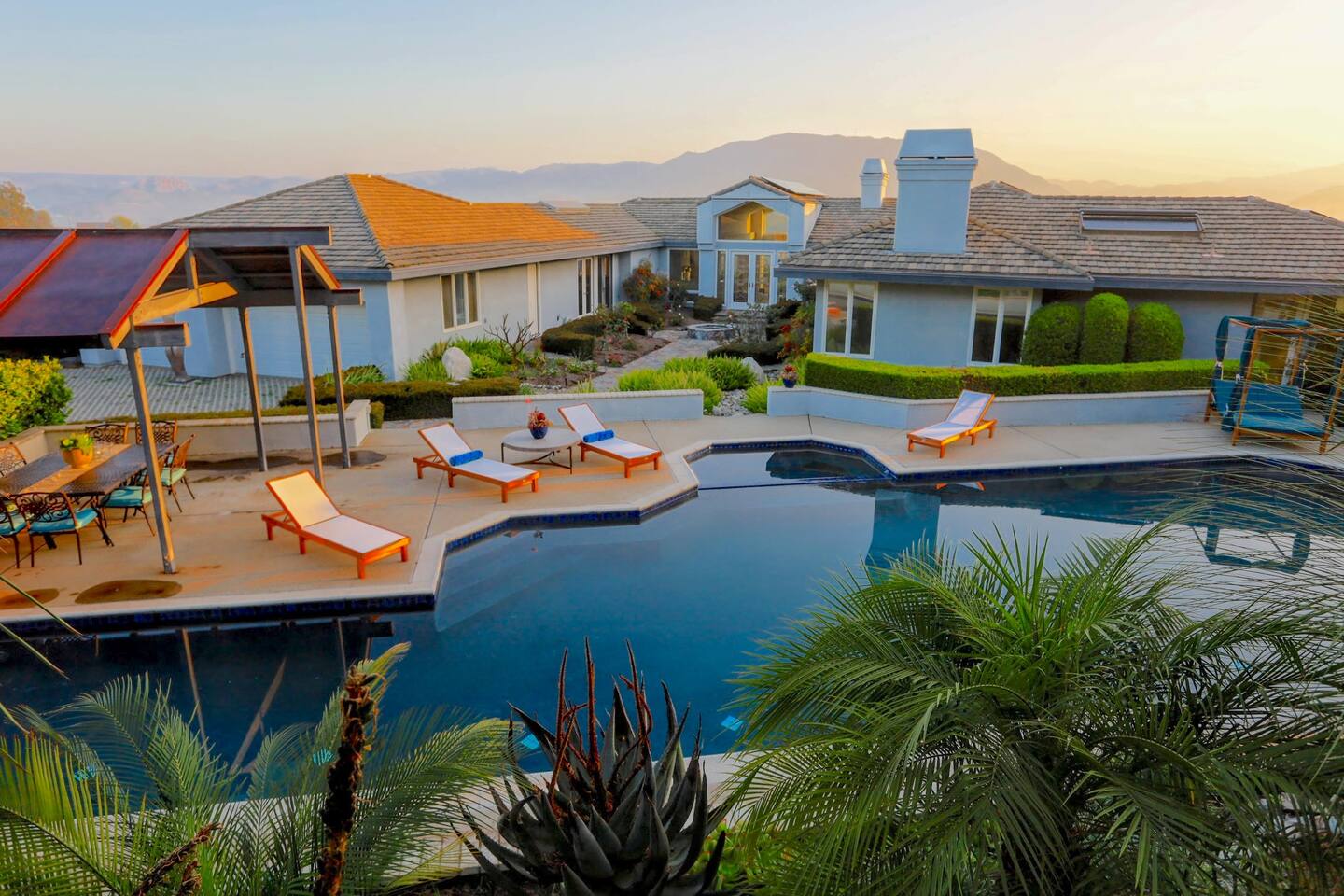
The Best Base in Southern California
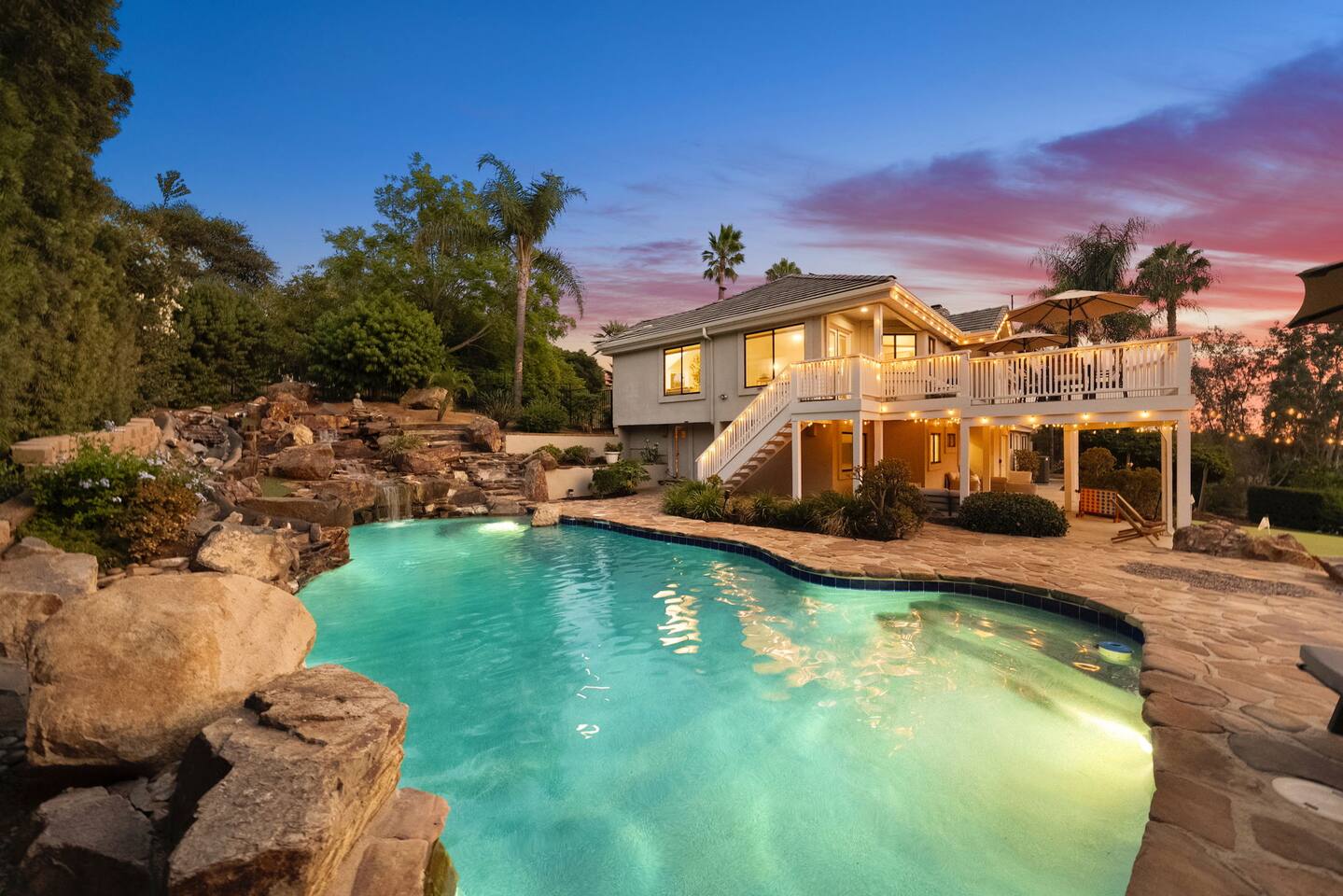
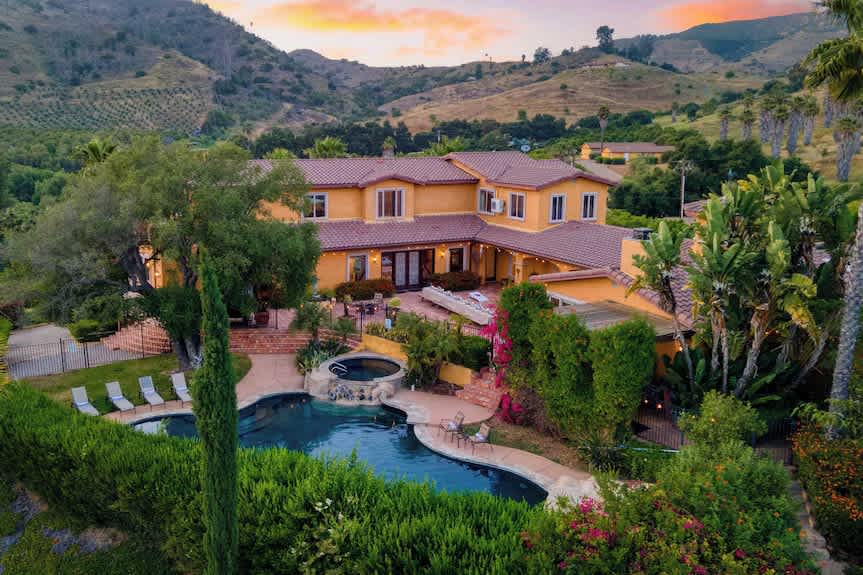
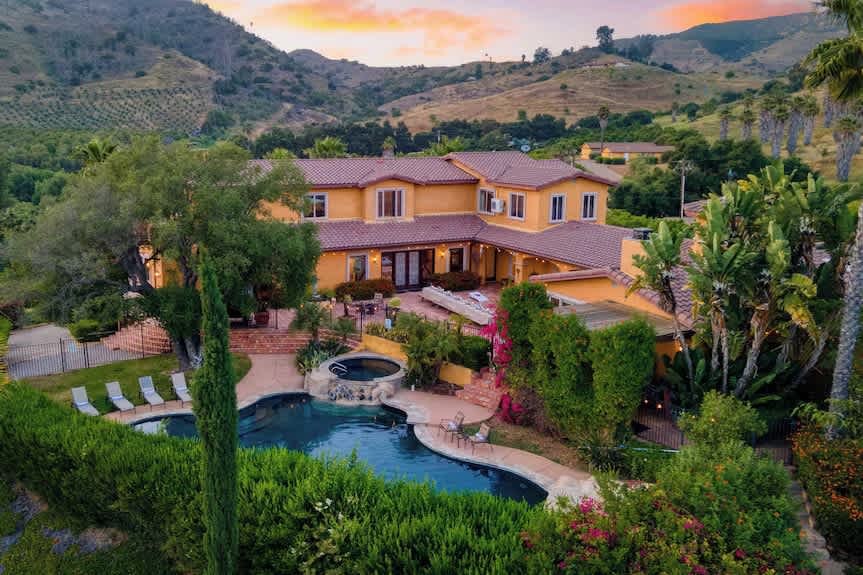
Fallbrook earns its reputation quietly. It sits in a protected valley between the coast and the inland empire — sheltered from marine fog, cooler than the desert heat — tucked into avocado groves, citrus orchards, and the canyon country above the Santa Margarita River. The estates here feel genuinely private: saltwater pools with panoramic mountain views, fire pits that run late, access to river trails right from the back gate. You can pick fresh citrus from the orchard for morning juice, practice yoga with views of the De Luz range, and be in Temecula wine country or on an Oceanside beach before noon.
That's the thing about Fallbrook as a home base: it puts everything in range. North to wine country. West to three different coastal towns. South to San Diego. East to the mountains and desert. One base, a week of very different days.
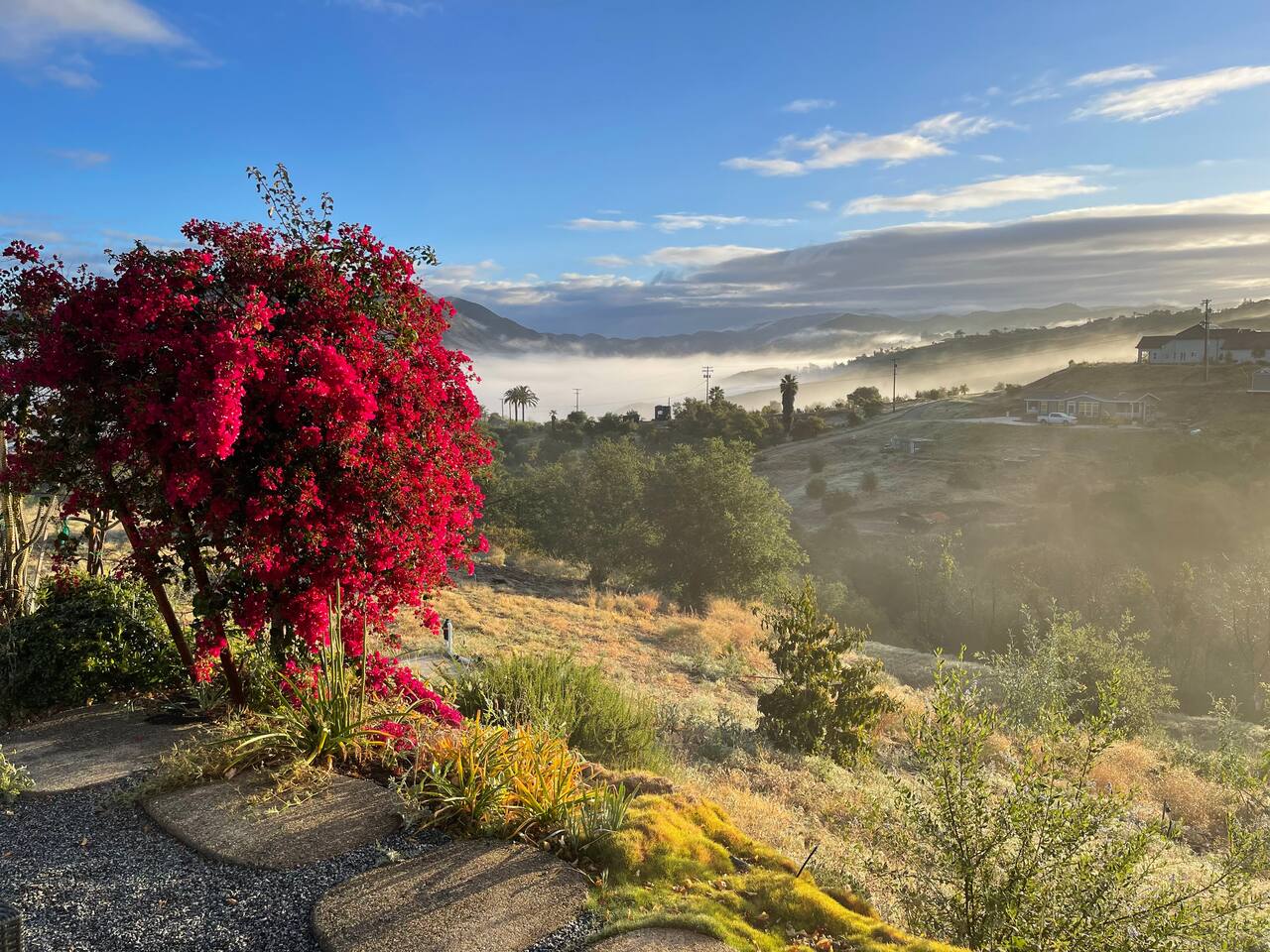
Temecula Wine Country
About 20 minutes north, the valley opens into one of California's most established wine regions. The Temecula Valley AVA — founded in 1984 — runs along Rancho California Road, a corridor of 50+ wineries where you can spend an entire day moving between estates on foot, by bike, or via the Grapeline Wine Country Shuttle. The marine air pushed through gaps in the Santa Ana Mountains keeps the valley surprisingly cool, which is why the vines produce well here despite the inland Southern California latitude.
Each winery has its own personality. Callaway Vineyard & Winery is one of the founding estates and still one of the most serene. Wilson Creek Winery draws crowds for its sparkling Almond Champagne and family-friendly vibe — it's the group staple. Thornton Winery has a jazz series and cave-aged sparkling wines worth seeking out. Leonesse Cellars does serious Bordeaux-style reds in an elegant tasting room. Falkner Winery sits highest on the ridge — best panoramic views in the valley. Wiens Family Cellars is the local winemaker's favorite for Rhône varietals done right.
The morning balloon flight is the Temecula signature experience — lifting off at sunrise over the vineyard rows, 2,000 feet above the valley, then landing for a winery breakfast. Book well ahead; flights fill weeks out. The annual Temecula Valley Balloon & Wine Festival in June is worth planning around entirely.
Pechanga Resort & Casino anchors the south end of Temecula — a full Vegas-scale operation run by the Pechanga Band of Luiseño Indians on their ancestral land, with headline concerts, championship golf, serious restaurants, and a spa. Old Town Temecula, just west of the freeway, is the historic core: wood-front buildings, the Temecula Olive Oil Company for tastings and tastings, the Old Town Community Theater. It's the quieter, more local side of Temecula that most visitors miss.
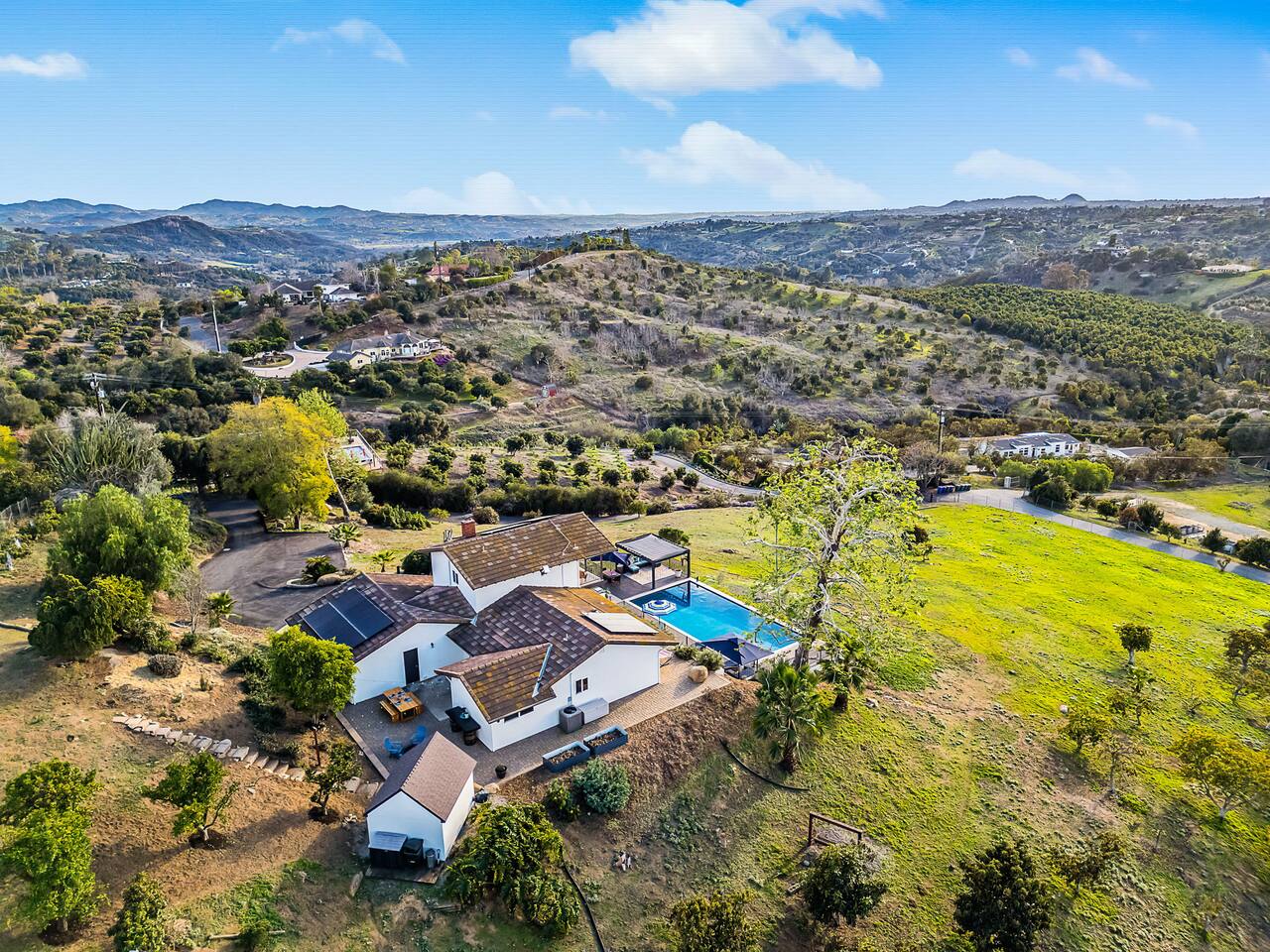
Oceanside
About 30 minutes west, the valley opens to the Pacific. Oceanside has changed significantly in the past decade — the harbor area is now genuinely good: specialty coffee roasters, a Saturday farmers market, a seafood scene anchored by the harbor itself, and a waterfront worth wandering. The wooden pier stretches nearly 2,000 feet into the Pacific and is worth the trip at sunrise, before any crowd arrives. From the Oceanside Transit Center, the Coaster commuter rail runs direct to downtown San Diego — which means you can send half the group south while the rest spends the morning at the beach.
The beach itself is wide, sandy, and generally less crowded than La Jolla. Surf lessons are easy to arrange; paddleboard rentals are available at the harbor. It's a natural half-day from Fallbrook: drive in, walk the pier, grab brunch, back by noon or stay the afternoon.
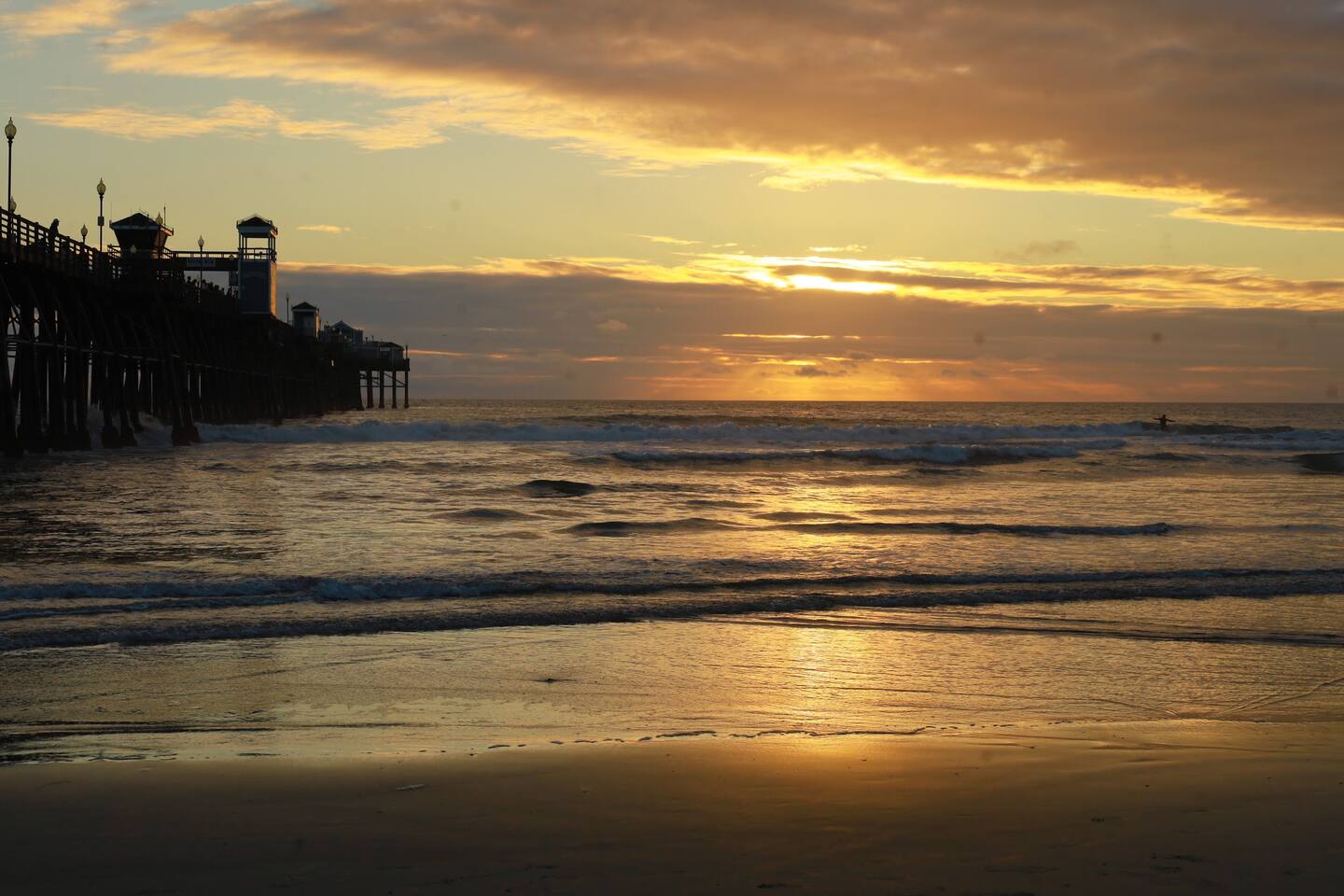
Carlsbad
Just south of Oceanside, Carlsbad is the family anchor of San Diego's North County. Legoland California is the obvious headliner — a full day for anyone with kids, built into the coastal bluffs with enough rides and builds to exhaust even the most energetic group. The Flower Fields bloom March through May: 50 acres of Tecolote Giant Ranunculus in high-contrast stripes of red, white, orange, and pink, visible from Interstate 5, genuinely spectacular at peak. It's one of those seasonal events that justifies planning a trip around it. Carlsbad State Beach and Tamarack Beach have reliable surf breaks and easy parking. The Carlsbad Village main street is walkable, with good coffee and a relaxed local energy.
La Jolla & Encinitas
La Jolla is the jewel of the San Diego coast. The Cove is a protected marine reserve — excellent snorkeling in crystal-clear water, sea lions sunning on the rocky ledges, kayakers threading through sea caves at low tide. Go early before the parking situation becomes a project. La Jolla Shores is the flat-sand alternative, calmer water, better for families and paddleboards. Windansea Beach — a short walk south — is the surfer's cove, with reef breaks that have been drawing serious riders for decades.
Torrey Pines State Reserve sits on the bluffs just north of La Jolla: one of the best coastal hikes in California, narrow sandstone trails above the Pacific, the rare Torrey pine clinging to the cliffs. The trails connect to Torrey Pines State Beach below — pristine, long, and mostly empty compared to anything further south. The Birch Aquarium at Scripps Institution of Oceanography rounds out a full La Jolla day — genuinely world-class, excellent with kids and adults alike.
Encinitas, a few miles north, moves at a different pace. Swami's reef break is a pilgrimage spot for serious surfers. Moonlight Beach is wide and social. The downtown has good restaurants, independent shops, and a laid-back energy that's getting harder to find on this stretch of coast.
San Diego
An hour south, and you have one of the best city days in California. Balboa Park is the anchor: 1,200 acres of Spanish Colonial Revival architecture housing 17 museums, botanical gardens, and the San Diego Zoo — the largest collection in the country and genuinely as good as its reputation. Build a half-day around the park, then walk or rideshare to the Gaslamp Quarter for dinner in one of the most concentrated blocks of good restaurants in the state.
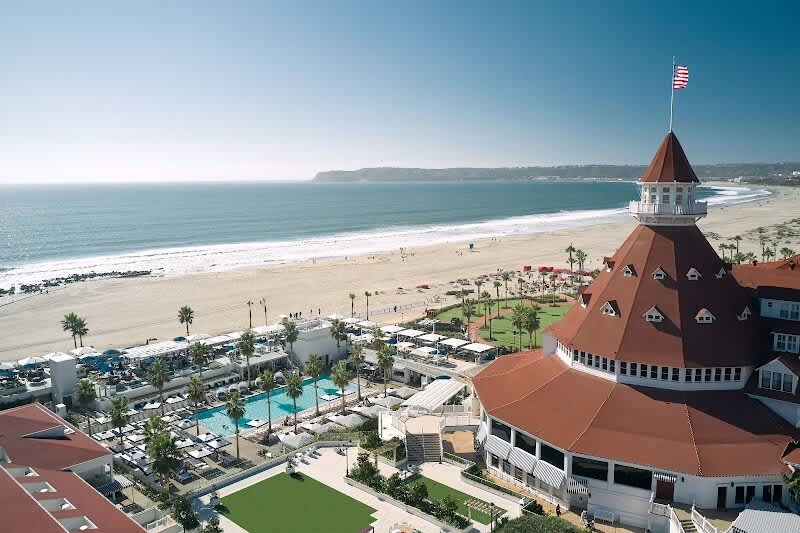
The waterfront is worth a dedicated afternoon: the USS Midway Museum on the harbor is the best military aircraft carrier museum in the country. From the Embarcadero, take the ferry to Coronado — one of the most cinematic beach arrivals in California, arriving at the Hotel del Coronado with its red Victorian turrets, then swimming a long, golden, flat beach. Mission Beach and Pacific Beach are the classic SoCal boardwalk experience — rollerblades, volleyball, fish tacos, open-air bars. SeaWorld at Mission Bay rounds out the family options.
For something less obvious: Little Italy has become one of the best urban neighborhoods in California for eating and walking. The North Park and South Park neighborhoods have the city's most interesting independent food scene.
Julian
East of Fallbrook, the road climbs into the Cuyamaca Mountains and the air changes — cooler, piney, genuinely different from the coast and the valley. Julian is a gold-rush mountain town at 4,200 feet: a real main street with old storefronts, apple orchards, cider mills, and pie shops that have been running for generations. The Julian Pie Company is the institution. The town is small enough to walk in an hour, with enough character to hold your attention for an afternoon.
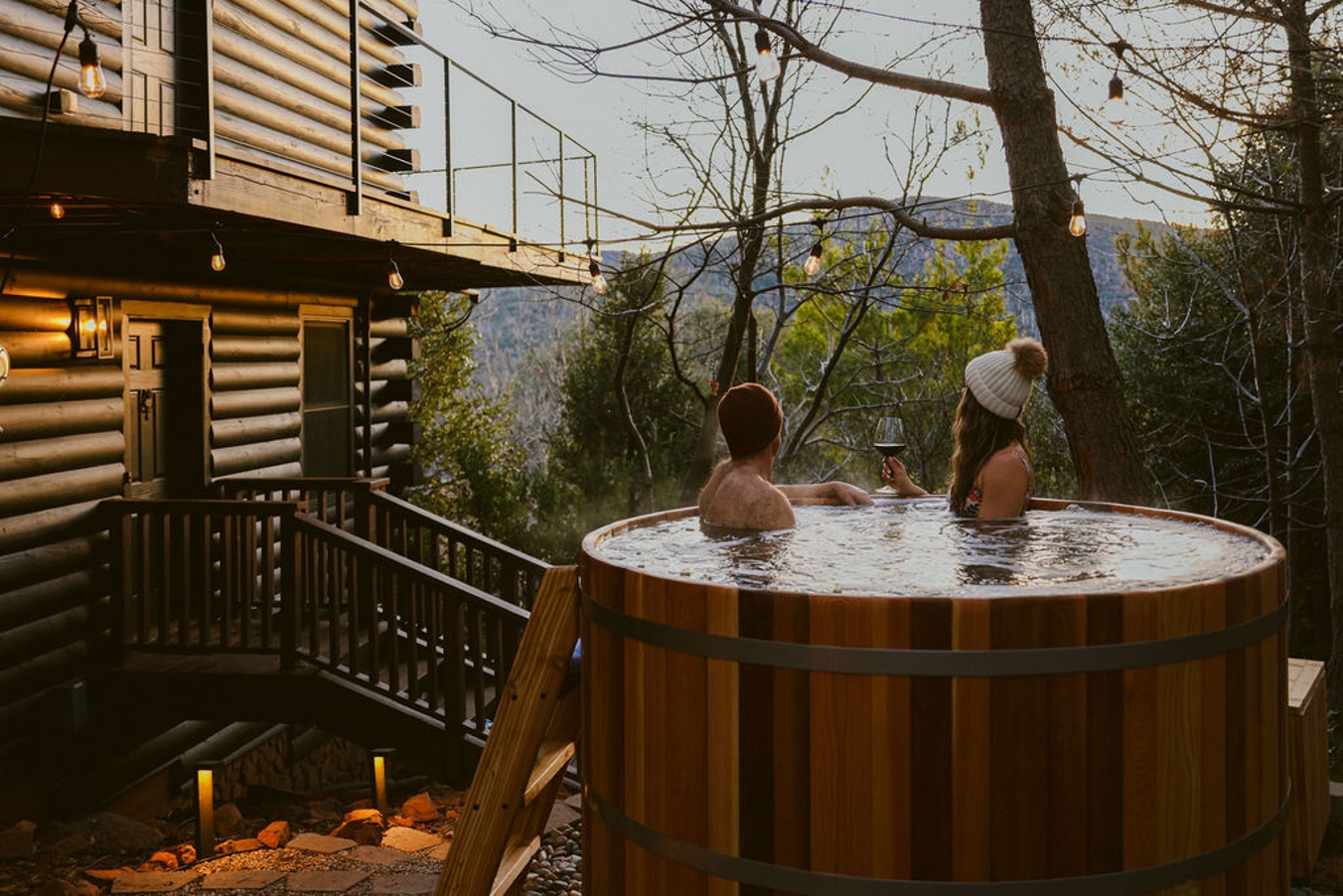
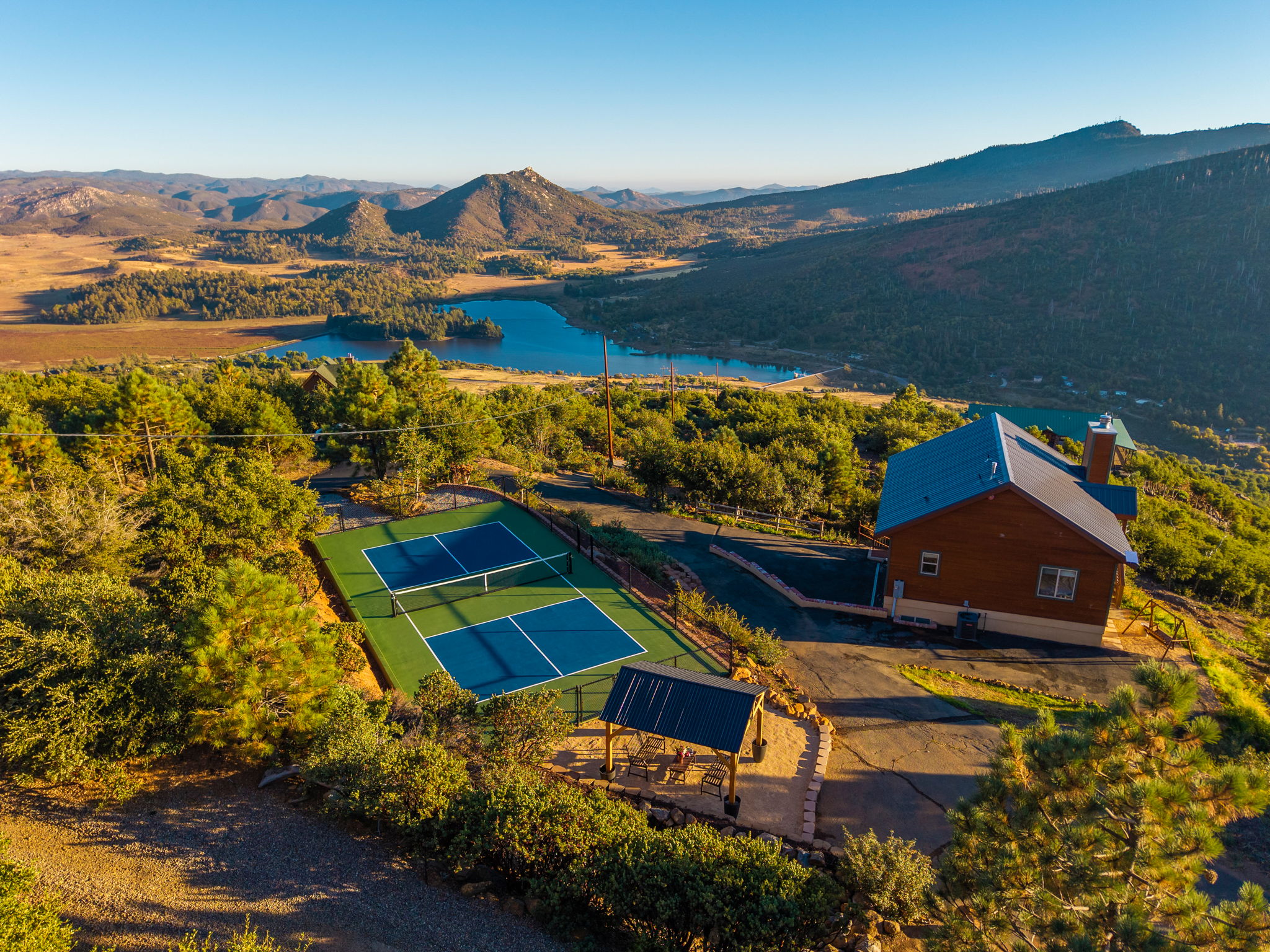
The mountain stays around Julian are exceptional. Wild Moon Ranch sits at 5,400 feet above Lake Cuyamaca — hiking from the property, pickleball, a wood-burning hot tub, and dark skies that remind you why elevation matters. The Dark Moon Chalet A-Frame was named Rustic Home of the Year by San Diego Magazine: cedar hot tub, sweeping valley views, a design that doesn't oversell the rustic angle. From Julian, Palomar Observatory is about 45 minutes — one of the world's great working telescopes, with public tours. The mountain views from the road up are worth the trip alone.
Anza-Borrego
Drop east from Julian on Highway 78 and watch the pines give way to chaparral, then open desert floor — fast. Borrego Springs sits at the base of the Santa Rosa Mountains, surrounded by Anza-Borrego Desert State Park, the largest state park in California. It feels genuinely remote in a way that the coast never does.
The Superbloom — which happens after heavy winter rains — is one of the most spectacular natural events on the continent: the desert floor erupts in wildflowers across hundreds of square miles, with the Santa Rosa range rising behind it. Year-round, the Ricardo Breceda sculpture field just outside town is unlike anything else in the American West — hundreds of large-scale metal works: a serpent emerging from the desert floor, a prehistoric mammoth, a giant scorpion, all placed across the open landscape and free to walk among at any hour. When night falls, Borrego Springs is a certified International Dark Sky Community: no light pollution, the Milky Way visible with the naked eye. It's worth staying a night specifically for the sky.
Find your base in Fallbrook / Valley Center / Julian, CA — browse stays indexed by CielStay.
Search stays on CielStay →Frequently asked questions
How many wineries are in the Temecula Valley?
The Temecula Valley AVA has over 45 licensed wineries concentrated along Rancho California Road in a roughly 10-mile corridor. The density makes it possible to visit 3–4 wineries on foot or by vineyard shuttle in a single day — a practical advantage over Napa or Sonoma, where wineries are more spread out.
How far is Temecula from San Diego and Los Angeles?
Temecula is about 60 miles north of downtown San Diego (50–70 minutes on I-15) and about 90 miles south of downtown Los Angeles (90–120 minutes depending on traffic). It is the most accessible wine region from both major Southern California metros, and a popular weekend destination for both.
When is harvest season in Temecula wine country?
Harvest in Temecula typically runs September through October, with grape picking beginning as early as late August for some varieties. The Harvest Celebration in late October is the region's major wine event. Late spring (April–May) is also excellent — temperatures are mild before summer heat sets in, and the vineyard cover crops are in bloom.
Is Temecula a good destination for a group or bachelorette trip?
Temecula has positioned itself as a group weekend destination, with large private estate rentals, hop-on/hop-off wine trolleys, hot air balloon operators, spa resorts, and group tasting packages at most wineries. Private rentals with pools within walking distance of vineyard tasting rooms are widely available and book early for spring and fall weekends.
Stays near this guide
Top-rated independent stays in the region, ranked by CielStay authenticity score.
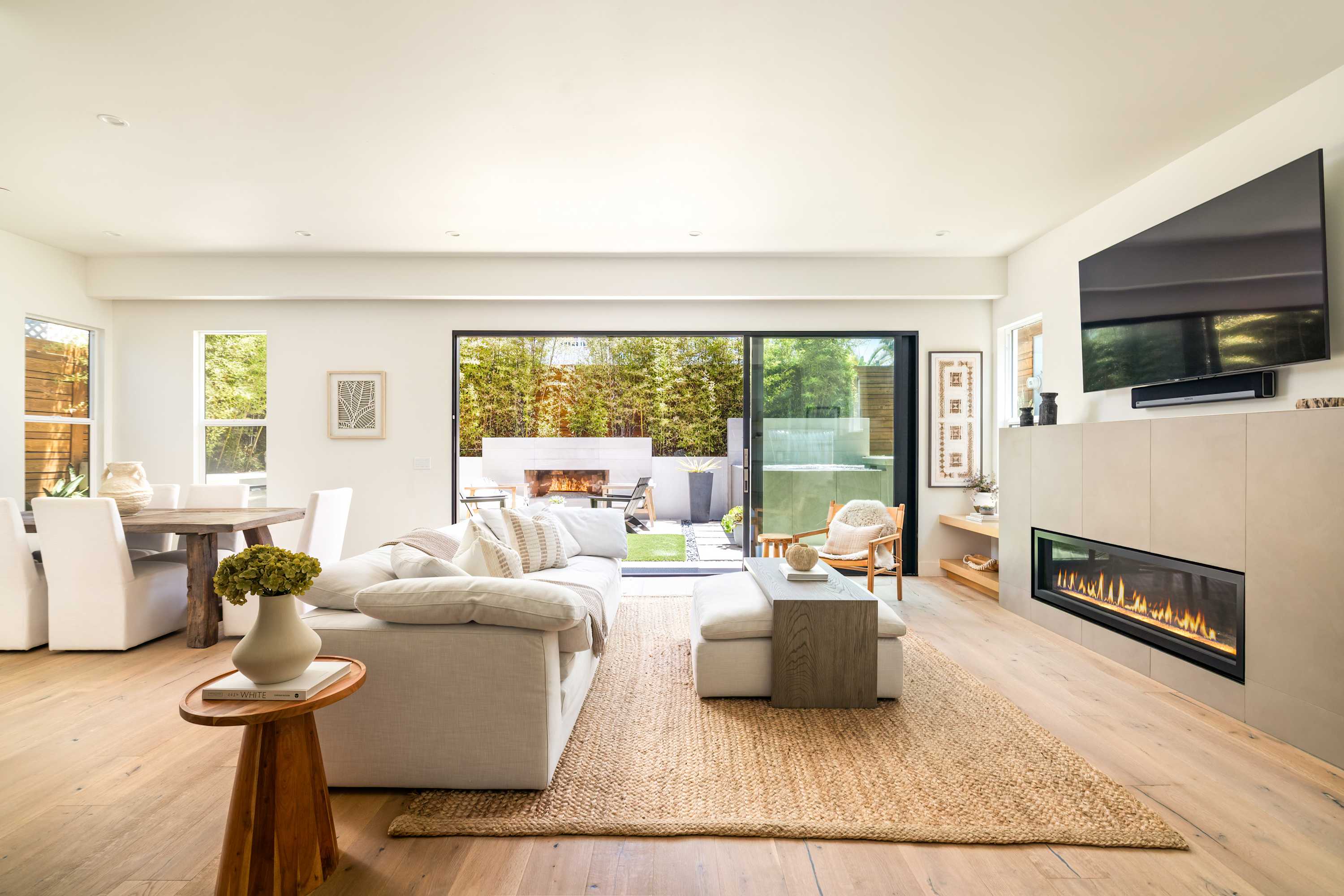
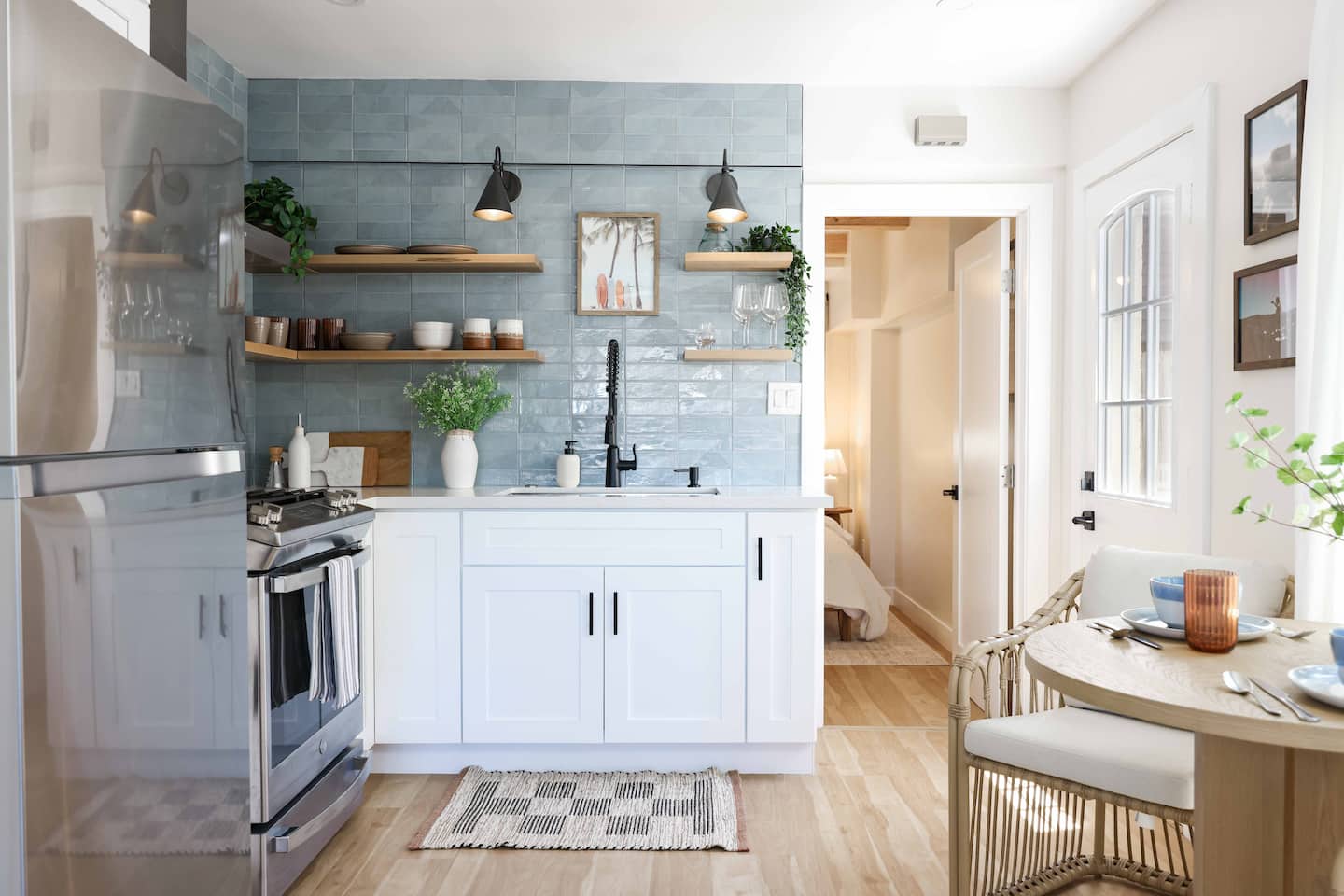
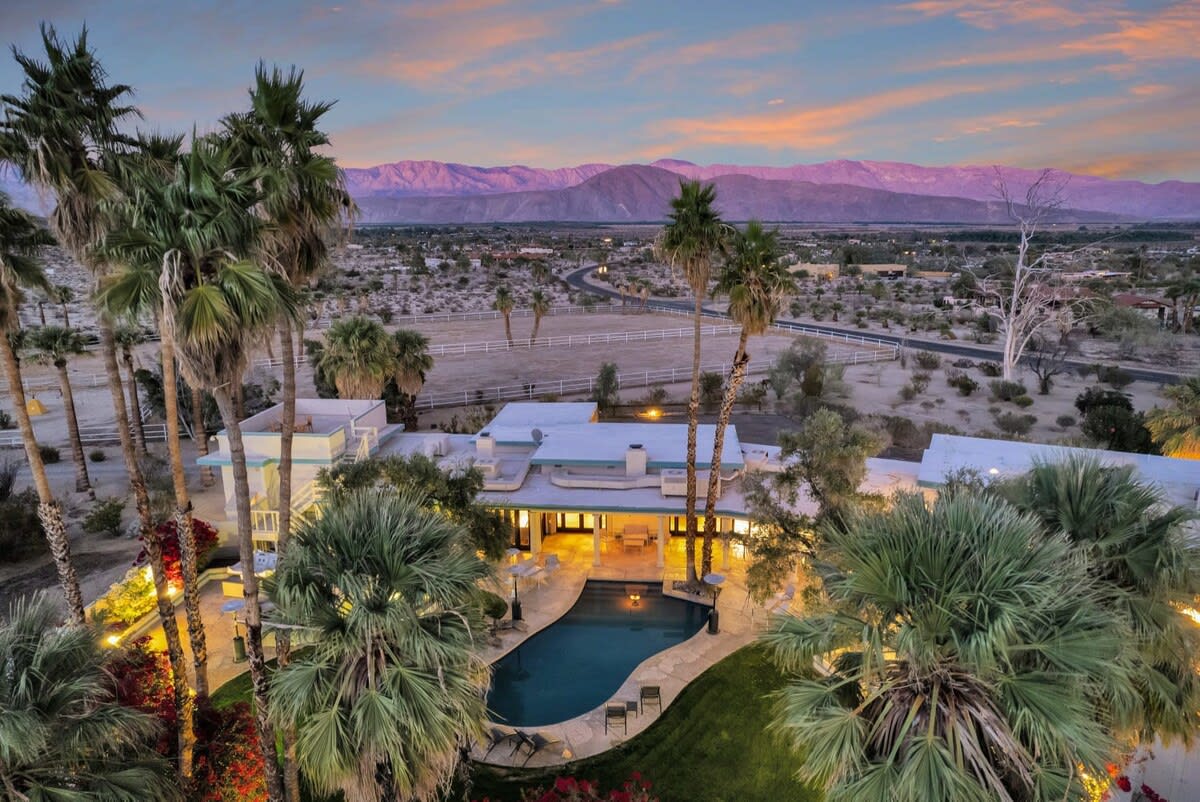
Try a search
Searches inspired by this guide — describe the vibe you want.
More guides

This guide was assembled from the local knowledge of hosts with properties throughout Fallbrook / Valley Center / Julian, CA, as indexed by CielStay. The descriptions of restaurants, trails, swimming holes, and local tips reflect what hosts share with guests in their listings — not the observations of a travel journalist or guest reviewer. Photos are sourced from host listing images and are credited to their respective listings. Information about permits and trail conditions may change; always verify with official sources before your trip.